


Feeding the HaloITSM CMDB automatically with Lansweeper discovery
Learn how a HaloITSM Lansweeper integration connects discovery data to HaloITSM, enabling cleaner CMDB records, faster triage, and better change decisions.
Read more →Enterprise service management applies what works in IT service management to HR, facilities, finance and legal: one portal for employees, a catalogue per department, workflows with approvals and service levels everyone can see. SMC Consulting helps you decide where to start, designs the operating model and rolls it out one department at a time.















Enterprise service management (ESM) is the use of IT service management practices and tools by other departments, so every internal service is requested, delivered and measured the same way. An employee who needs a new badge, a payslip correction, a contract review or a laptop goes to the same portal, finds the request in a catalogue, follows its status and gets an answer within an agreed time.
ESM does not replace ITSM; it extends it. The practices are the same (catalogue, requests, workflows, knowledge, service levels); the services and the teams change.
| ITSM | ESM | |
|---|---|---|
| Scope | IT services | Every internal service: IT, HR, facilities, finance, legal |
| Requesters | Employees asking IT | Employees asking any department |
| Teams | Service desk and IT resolver groups | Each department keeps its own queue and rules |
| Shared | Portal, catalogue, knowledge, SLAs | The same, extended to each department |
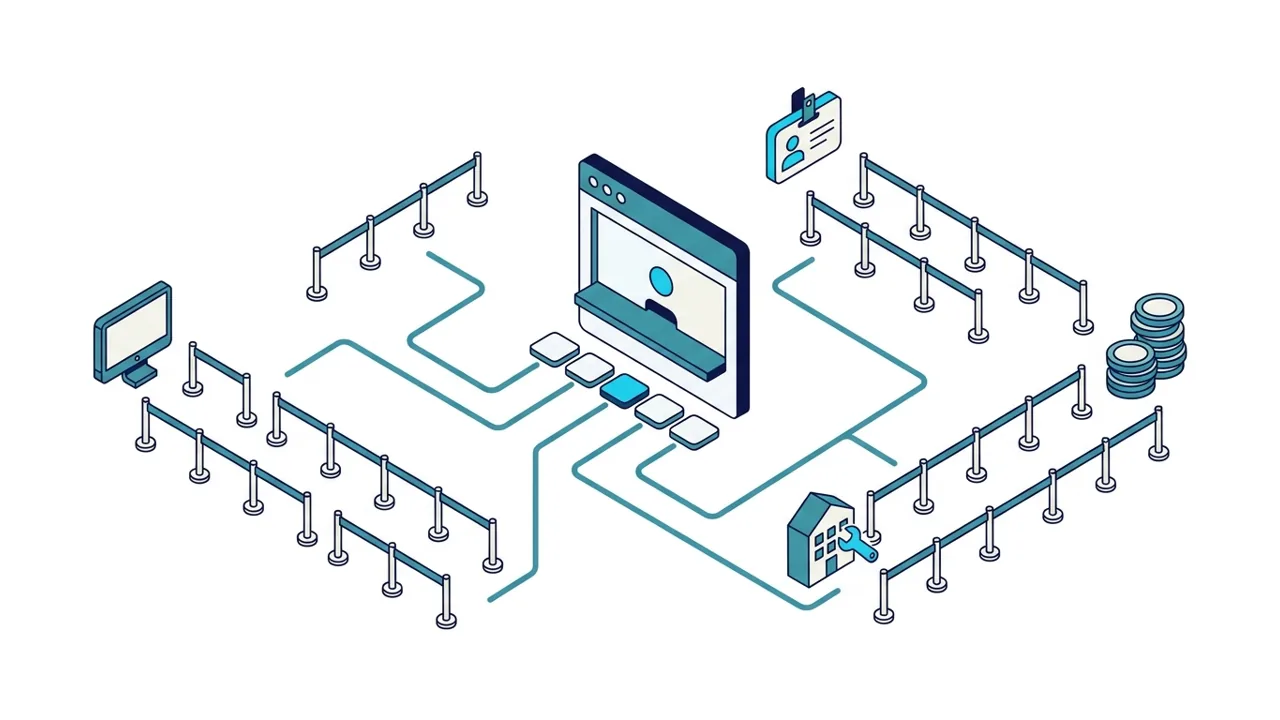
Onboarding as one request: HR starts it, IT prepares the account and laptop, facilities the badge and desk, each with its own task and deadline.
Workplace requests (desk moves, repairs, access badges, meeting room issues) logged and tracked instead of sent by email to whoever answers.
Purchase approvals and supplier questions routed to the right person, with the approval chain and the decision recorded.
Contract review requests with the right documents attached from the start, a visible queue and a target response time.
ESM works when employees see one front door and each department keeps control of its own work behind it.
A single place for employees to ask for anything, in their own words, with the status of every request in one view.
Each team publishes its own request items with forms, owners and service levels, in the same structure as the IT catalogue.
HR cases and legal files stay visible only to the people who need them; permissions are designed per department, not added later.
Cross-department workflows (onboarding, moves, purchases) with approvals, tasks and deadlines for every team involved.
Answers to frequent HR, facilities and finance questions in the same knowledge base, so employees find them before they ask.
Each team sees its own volumes, delays and satisfaction; management sees the whole picture.
ESM fails when it starts everywhere at once. It succeeds when it grows from a working IT model, one department at a time.
Check that the IT portal, catalogue and request process work and are used. ESM extends a model; it cannot rescue a broken one.
Choose a team with frequent, repetitive requests and a willing manager, often HR for onboarding or facilities.
Add the department's catalogue, forms, approvals and articles to the existing portal rather than building a second one.
Compare volumes, delays and satisfaction before and after, fix what the pilot showed, then move to the next department.
In a free 30-minute audit, a senior consultant reviews your portal, catalogue and processes with you and tells you where ESM can start.
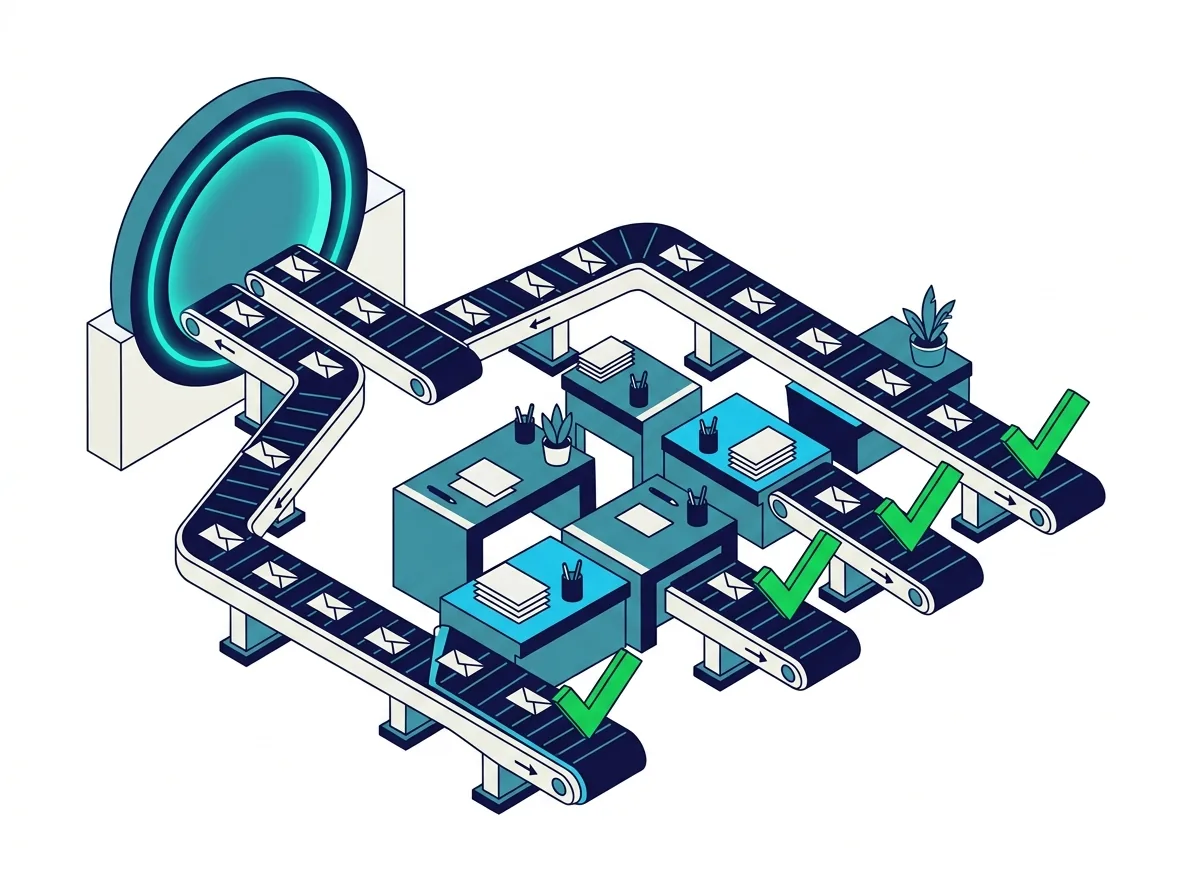
Whose teams handle repetitive requests by email and phone, with no queue, no history and no figures.
Who run a working ITSM platform and are asked to open it to other departments without losing control.
Who want one way of delivering internal services across the organisation.
HaloITSM is our pick for most mid-sized organisations, including for ESM: onboarding, facilities and finance workflows run on the same platform, included as standard, without a separate ESM module. Other platforms approach it differently:
| Platform | How it covers ESM |
|---|---|
| HaloITSM (our pick) | One platform for IT, HR-style onboarding and offboarding, facilities and finance workflows, included as standard. |
| ServiceNow ITSM | Enterprise service management combining ITSM with HR Service Delivery and Customer Service Management products. |
| TOPdesk | Positioned as one software for IT, facilities and HR service teams, with each as a full product line. |
| Jira Service Management | One platform for IT, HR, legal, finance and facilities teams, with dedicated request templates. |
| Freshservice | Dedicated HR, facilities, finance and legal workspaces with data segregation on one instance. |
The other platforms and their full scoring are in our comparison of the 10 best ITSM tools.
ITSM manages IT services. ESM applies the same practices (portal, catalogue, workflows, knowledge, service levels) to the services of other departments, such as HR, facilities, finance and legal. ESM is an extension of ITSM, not a different discipline.
The ones with frequent, repetitive requests and a manager who wants the change: usually HR for onboarding and leavers, and facilities for workplace requests. Finance and legal often follow once the model is proven.
Usually not. Most ITSM platforms, HaloITSM included, can host HR requests with the data separation they need. A dedicated HR case management tool makes sense when HR processes go far beyond requests, for example complex employee relations cases.
It depends on the department and on how mature the IT model is. A pilot with one department on an existing platform is a project of weeks, not years; extending to several departments is a sequence of such pilots. The free audit tells you where you stand.
One platform owner, usually IT, runs the portal and the shared rules; each department owns its catalogue, its forms and its service levels. Agreeing on that split early avoids most ESM conflicts.
Book your free 30-minute ITSM audit. A senior consultant reviews your current model with you and tells you where enterprise service management can start.
Learn how a HaloITSM Lansweeper integration connects discovery data to HaloITSM, enabling cleaner CMDB records, faster triage, and better change decisions.
Read more →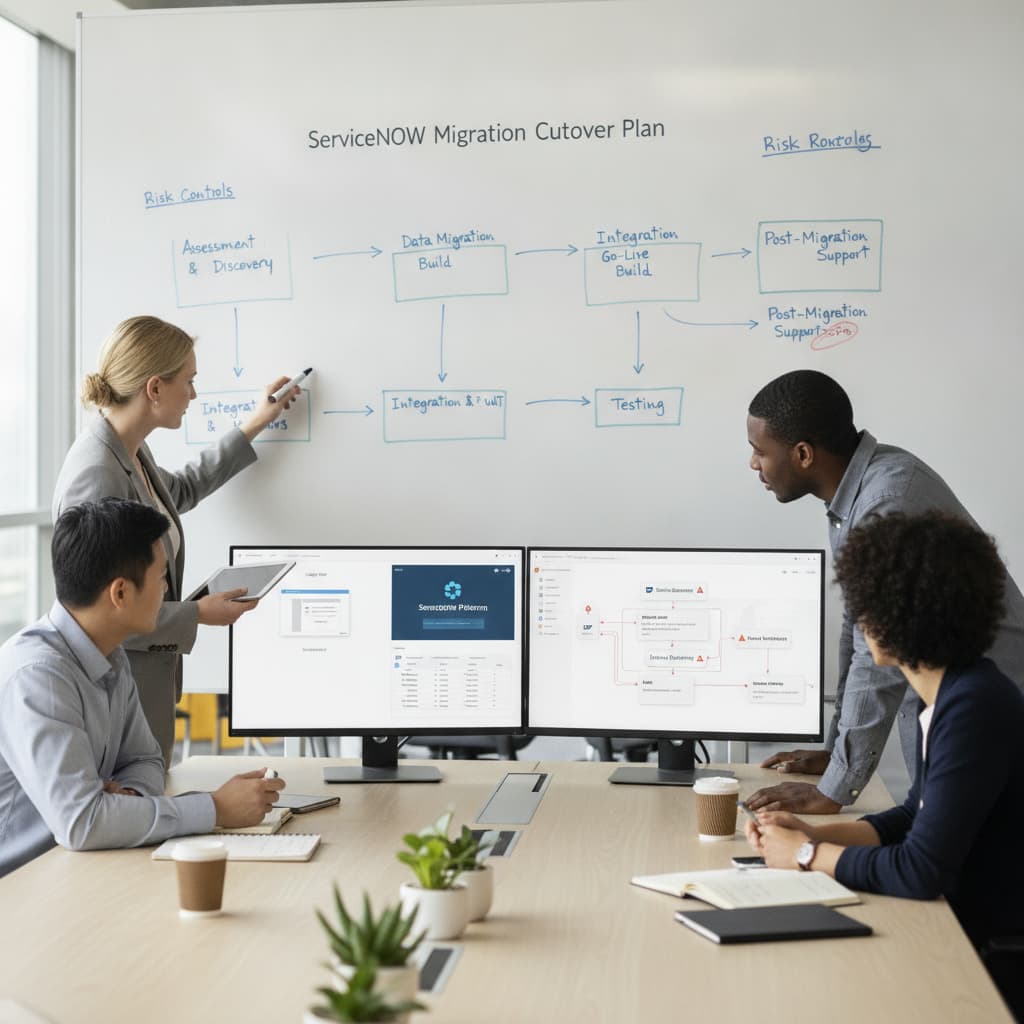
A practical ServiceNow migration cutover plan helps reduce risk, protect service continuity, validate integrations and support confident ITSM modernisation.
Read more →
SMC Consulting joins the Lansweeper partner ecosystem to connect asset discovery with HaloITSM, ServiceNow and Freshservice for a complete, current CMDB.
Read more →