

CSRD & IT: measuring IT asset carbon footprint without a heavy toolchain
Discover how Green ITAM helps measure your IT asset carbon footprint, improve CSRD IT readiness, connect asset data, and support credible sustainability reporting.
Read more
In the field of Scrum project management , the agile sprint has become a leading method for optimizing teamwork, improving feature development, and achieving objectives quickly. A sprint takes place over a fixed period, generally two to four weeks, and focuses on a set of items (tickets, user stories) from the product backlog. This approach allows the team to focus on clear tasks, regularly measure progress, and adjust the plan as the process unfolds. Discover how to implement an agile sprint, its key stages, the roles of each team member, and best practices to adopt to strengthen your project management.
The sprint is the basic unit of the Scrum agile methodology . It is a defined time period during which the team focuses on developing specific features to produce a potentially shippable version of the product. Unlike traditional waterfall approaches, the agile sprint promotes iterative and incremental management. This approach offers better visibility, rapid adaptation, and greater team cohesion.
By focusing on short sprints, the team has better control over project management, relies on tools (like Trello or monday.com ) to organize its tickets, and can refine the product backlog as it goes along.

A sprint in Scrum is a work cycle that aims to transform a portion of the product backlog into a functional increment. The sprint is central to the agile methodology , as it establishes a regular rhythm for planning, development execution, review, and continuous improvement.
Each sprint begins with Sprint Planning, during which the team selects priority items from the backlog. These items (tickets, stories) correspond to high-value features for the customer or end user. At the end of each sprint, a partial (but potentially deliverable) product is presented during the Sprint Review, and then the team draws the necessary lessons learned from the sprint.
The sprint planning meeting brings together the Scrum Master, the Product Owner, and the development team. Its objective is to define the sprint scope and establish the work plan. The Product Owner presents the backlog, highlights the priority items, and clarifies their definitions . The team then discusses feasibility, estimates the workload (story points), and identifies the necessary tasks.
During the execution phase, the development team focuses on completing the identified tasks. Team members work closely together, communicate regularly, and adjust their workload accordingly. Daily Scrum meetings allow them to monitor progress, identify roadblocks, and redirect the work if necessary.
The final stage of the sprint, the retrospective, allows the team to reflect on its own performance. What went well? What obstacles hindered progress? What adjustments need to be made for future sprints? This meeting is essential for establishing a culture of continuous improvement, strengthening team cohesion, and refining the process.
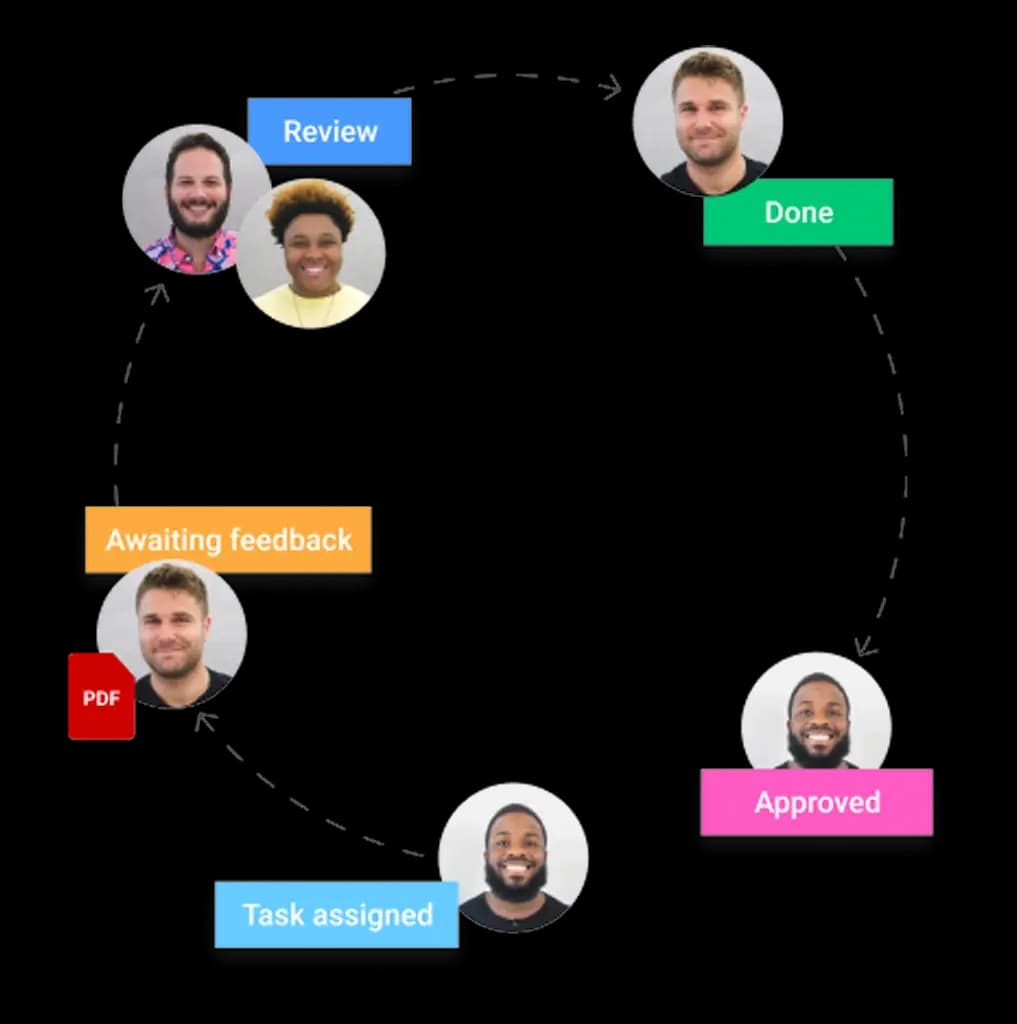
The success of a sprint depends on clearly defined roles, with each person having their responsibilities in managing the project.
The development team is responsible for transforming backlog items into operational features. Its members organize themselves autonomously, estimate the workload, and commit to achieving clear objectives during the sprint.

To maximize the efficiency of an agile sprint , a few best practices should be followed:
To evaluate the success of a sprint, it is essential to track key performance indicators (KPIs) to measure the performance and quality of the work done:
Analyzing these indicators helps improve project management and ensures that the team makes the best use of the potential of the agile sprint .
A sprint is an iterative and timeboxed work cycle (often two weeks) in Scrum . During this time, the team focuses on a set of features from the product backlog in order to deliver a working and testable increment.
A sprint begins with a planning meeting (Sprint Planning) to define the sprint’s objective and scope. The team then executes the tasks, with daily check-ins (Daily Scrum) to adjust the work. At the end of the sprint, a Sprint Review presents the developed features, followed by a Retrospective to improve the process.
Common mistakes include a poorly prioritized backlog, a vague sprint goal, poor communication within the team, and a rushed retrospective. It’s also important to avoid changing the sprint scope mid-sprint to maintain the stability of the plan.
Success is measured by achieving set objectives, the quality of the deliverable, stakeholder satisfaction, and the team’s ability to improve from one sprint to the next. Indicators such as velocity, adherence to sprint goals, and bug reduction allow progress to be tracked.
Tools such as monday.com , Trello, and Asana facilitate sprint management by providing a clear view of the backlog, ongoing tasks, and progress indicators. These platforms allow you to visualize the workflow, track progress in real time, and improve communication within the team.
By adopting an agile sprint , you can transform your project management. You’ll gain flexibility, visibility into work progress, and improve the quality of your deliverables. Agile sprints, supported by good planning, a clear backlog, and effective tools, are a reliable guide to project success.
At SMC Consulting, we understand that every business is unique. That’s why we offer customized solutions that perfectly adapt to your specific needs.
Contact us today for a free needs analysis and start your journey to operational excellence.
Book a free consultation with an SMC Consulting expert.
Book Your Free ConsultationDiscover how Green ITAM helps measure your IT asset carbon footprint, improve CSRD IT readiness, connect asset data, and support credible sustainability reporting.
Read more
Human in the loop ITSM lets AI handle routine service desk work while people approve high-risk actions, monitor governance, and manage escalation rules.
Read more
Build a ServiceNow ITSM strategy and roadmap for governance, automation and reporting — with SMC Consulting's certified ITSM engineers.
Read more