





ITSM Vendor Evaluation Criteria: 2025 Guide to Choosing the Best ITSM Tool

You are here:
Guide to the Best ITSM Tools Evaluation Criteria 2025
Estimated reading time: 9 minutes

Key Takeaways

  • The ITSM vendor evaluation criteria are essential for an objective and low-risk selection of ITSM tools in 2025, especially given the rapid trends in AI, cloud, and the hybrid workforce.
  • A structured approach, utilizing vendor scoring matrices and checklists, directly enhances business alignment, compliance, and digital transformation success.
  • Resources like the Halo ITSM RFP template and the ITSM Vendor Evaluation Criteria Guide simplify acquisition and reduce the oversight of critical requirements.
  • Integrating Halo ITSM customer reviews and feedback makes your selection process robust and evidence-based.
  • Your evaluation should always address not only core ITSM functionalities but also integration, automation, user experience, compliance, and the actual quality of support.

Introduction: The Crucial Role of ITSM Vendor Evaluation Criteria in 2025

As 2025 dawns, organizations face a dynamic IT Service Management (ITSM) landscape shaped by rapid advancements in AI, cloud-native solutions, and distributed workforces. Selecting the right ITSM platform is now a crucial strategic decision, impacting productivity, compliance, and digital transformation success. This 2025 guide to choosing an ITSM tool equips IT teams, procurement departments, and cross-functional teams with a step-by-step approach to leverage ITSM vendor evaluation criteria. Rigorous evaluation processes help align technology with business needs and mitigate risks during ITSM acquisition and the RFP process.

Why are ITSM vendor evaluation criteria important in 2025?
ITSM vendor evaluation criteria are essential in 2025 because they help organizations methodically assess software vendors against evolving requirements, such as AI adoption, remote work support, and cloud-native technologies, enabling teams to select the ITSM tool that best drives productivity and digital transformation.
(Source: CloudNuro, GoWorkWize)

For more information on the importance of defining and following vendor evaluation criteria for ITSM platform success, you can consult this resource.

Understanding ITSM Vendor Evaluation Criteria: Essential Factors and Their Importance

What do "ITSM vendor evaluation criteria" mean?

ITSM vendor evaluation criteria are specific, predefined requirements and metrics used to evaluate and compare ITSM software vendors during any ITSM solution selection or acquisition process. These criteria create an objective and repeatable framework for teams managing the ITSM RFP process or conducting vendor analysis (Infraon, KodiakHub).

A structured approach to vendor scoring (using criteria checklists, a scoring matrix, and weighted evaluations) directly supports:

  • Alignment with the organization’s actual ITSM requirements.
    For a deeper analysis on requirements and criteria alignment, consult this comprehensive guide
  • Accountability in acquisition decisions.
  • Reduction of selection bias.
  • Meaningful comparison of ITSM tools.

What are the main ITSM vendor evaluation criteria to consider?

The most important ITSM vendor evaluation criteria include:
  • Core ITSM functionalities: Incident, problem, and change management, service catalog.
  • Scalability and flexibility: Ability to adapt to your IT service needs and future growth.
  • Integration capabilities: Native connections with monitoring tools, CMDB, asset management, and other business applications.
  • User experience and interface ease of use: Is the ITSM tool intuitive, easy, and pleasant to use?
  • Automation and AI support: Does the solution enable modern and automated workflows?
  • Security/compliance certifications: Look for ISO 27001, SOC 2, FedRAMP accreditations.
  • Customer support and onboarding: Quality of user training, ITSM support, and vendor training resources.
  • Total cost of ownership: Including licensing, support, customization, and maintenance costs. (Sources: Infraon, CloudNuro, KodiakHub)
If you are working to define your own customized list of ITSM requirements, this criteria checklist guide provides practical lists to ensure all critical functionalities are considered.

Table: Examples of ITSM Vendor Evaluation Factors

Criteria Area Example Metrics
Essential Functionalities Incident management, change management, knowledge management
Scalability Multi-site, multi-tenant, dynamic workflows
Integrations Out-of-the-box connectors, API, SSO, Active Directory
User Experience Modern interface, mobile support, accessibility
Automation/AI Automatic ticket routing, workflow orchestration
Security/Compliance Regulatory certifications, audit logging
Support/Onboarding Training, documentation, support SLAs
Cost Licensing, support, hidden costs
Authoritative Resources: To learn more about creating an ITSM requirements list and using RFP evaluation checklists, explore the HaloITSM Documentation and ITIL Framework Capabilities.

2025 Step-by-Step Guide: Choosing an ITSM Tool Using Evaluation Criteria

Selecting an ITSM tool in 2025 involves following a structured selection process based on the latest trends. Here is a step-by-step guide to choosing an ITSM tool in 2025:

Step 1: Planning and Requirements Gathering

  • Involve Stakeholders: Gather input from IT, operations, security, HR, and finance.
  • Define Needs (2025 Perspective): Document business objectives—consider demands for remote work, automation, and cloud-native support.
  • Specify Essential vs. Desirable: Use an ITSM requirements checklist.
For advice on compiling stakeholder requirements and integrating them into a selection project, consult this expert guide. ITSM Procurement Planning, ITSM Onboarding, Requirements Evaluation Reference: CloudNuro

Step 2: Shortlisting Potential ITSM Vendors

  • Build a Weighted Scoring Model: Assign points to each criterion according to business priority (e.g., user experience, AI readiness, compliance).
  • Assess Future Readiness: Score vendors on modularity, automation capability, and integration scope.
Benefit from expert advice during the shortlisting phase with practical tips from SMC Consulting. ITSM Tool Comparison, ITSM Solution Evaluation, ITSM Vendor Shortlist Reference: The CTO Club

Step 3: Demonstrations and Proof of Concept

  • Request Live Demos: Review core workflows and self-service portals.
  • Test Integrations: Verify compatibility with monitoring, asset discovery, and communication tools.
  • Gather User Feedback: Involve end-users in pilot testing.
Discover how to leverage a qualified implementation partner for proof of concepts, demonstrations, and rapid deployment with SMC Consulting’s Halo ITSM services. ITSM software evaluation, ITSM user training, usability assessment Reference: The CTO Club

Step 4: Decision-Making and Scoring

  • Complete Your Scoring Matrix: Objectively compare each vendor against the ITSM vendor evaluation criteria.
  • Consider Quantitative and Qualitative Data: RFP responses, demos, peer reviews.
Use the detailed RFP templates and scoring approaches from SMC Consulting for this step. RFP scoring grid, ITSM evaluation metrics, objective vendor selection Reference: CloudNuro

Step 5: 2025 ITSM Tool Trends to Include

  • Platforms with business agility beyond simple ticket management.
  • Unified IT asset management and configuration management.
  • Robust automation and AI-driven workflows.
  • Solutions supporting hybrid and global workforces.
Example Criterion: “The solution offers a no-code workflow designer and AI-powered predictive ticket classification.” Reference: CloudNuro Alternative text for visual aid: Process diagram showing the 5-step ITSM tool selection process for 2025: planning, shortlisting, demonstration, scoring, and trend analysis, incorporating ITSM vendor evaluation criteria.

How to Choose the Right ITSM Tool in 2025?

  1. Define business requirements and desired outcomes. See also the expert guide for step-by-step selection and process support.
  2. Research and shortlist vendors supporting AI, automation, and hybrid work.
  3. Conduct demos or proof of concepts to evaluate usability and integrations.
  4. Score each solution against predefined evaluation criteria.
  5. Consider vendor reputation and customer reviews. (Sources: CloudNuro, The CTO Club)

Drafting Your ITSM RFP: Using the Halo ITSM RFP Template

A structured Request for Proposal (RFP) document is essential for clear vendor comparisons. The Halo ITSM RFP template provides a comprehensive framework to capture business requirements, define transparent ITSM vendor evaluation criteria, and apply an objective ITSM scoring rubric.

Main Sections of the Halo ITSM RFP Template

  • Organizational Overview: Summarize the business and IT context.
  • Feature Checklists: Specify core ITSM functionalities like incident, problem, and change management.
  • Integration Requirements: Detail necessary integrations with monitoring, asset management, and third-party systems.
  • SLA and Support: Define expectations for reliability and support.
  • Scoring Matrix: Create an evaluation matrix, weighting criteria such as usability, cost, compliance, and vendor fit.
The model’s ITSM RFP structure guides comparative vendor scoring and ensures you don’t overlook critical needs. For a practical guide and model overview, visit this guide. Tips for Customizing Your ITSM RFP Template:
  • Adjust criteria weightings for regulatory or business specificities.
  • Add specific questions on workflows, compliance, or ITSM user training.
  • Capture cultural fit and change management support.
Why Use a Robust Questionnaire and Scoring System for ITSM Vendors? This approach reduces bias and provides a documented audit trail throughout the ITSM platform selection. How Does the Halo ITSM RFP Template Help Evaluate ITSM Vendors? The Halo ITSM RFP template structures your vendor selection process by clearly documenting business needs, specifying evaluation criteria, and providing a scoring matrix, enabling a fair and objective comparison of ITSM vendors in line with organizational objectives. External Reference: Explore the official Halo ITSM RFP template resources and general ITIL acquisition guides. Alternative text for visual aid: Screenshot of a completed Halo ITSM RFP template: columns for requirements, weightings, vendor responses, and evaluation scores, highlighting a transparent and criteria-based ITSM selection process.

Key Questions to Ask ITSM Vendors in 2025

Designing an RFP or organizing a vendor demo? Here are the key questions to ask ITSM vendors for your ITSM vendor evaluation criteria and tool comparison:

Essential Questions for the ITSM RFP

  • How do you support AI-driven automation and analytics?
  • What integrations are immediately available with monitoring, asset, and collaboration tools?
  • How does your solution scale with business growth over 3 to 5 years?
  • What industry certifications (ISO 27001, SOC 2, FedRAMP) do you maintain? (GoWorkWize)
  • What onboarding, training, and user education do you provide?
  • What is your roadmap for enabling hybrid and remote work?
To maximize the value of demos and negotiations, also see: SMC Halo ITSM implementation partner guide

Follow-Up Best Practices

  • Request automation/AI case studies in similar industries.
  • Probe metrics: incident resolution time, integration duration, integration timelines.
  • Request client success stories.
  • Discuss SLAs and escalation protocols.
For a more detailed RFP checklist and question guide, refer to the SMC RFP guide

Documenting and Scoring Vendor Responses

  • Record responses in your ITSM RFP scoring matrix.
  • Objectively evaluate vendor transparency, documentation, and willingness to customize.
  • Assess the “fit” with your team’s culture and preferred communication.

What questions should you ask ITSM vendors during selection?
Key questions to ask ITSM vendors include:

  • How does your platform support AI and automation?
  • What out-of-the-box integrations are available?
  • How do you support onboarding and customer success?
  • What security certifications does your solution hold?
  • How do you accommodate hybrid or remote workforces?

(Source: GoWorkWize)

External Resource:
Find more ITSM RFP questions and interview tips in the Gartner ITSM Toolkit.

Integrating Real-World Feedback: The Importance of Halo ITSM Customer Reviews

Structured evaluation is vital, but peer and user feedback is equally important. The Halo ITSM customer reviews and other ITSM peer reviews can provide crucial real-world insights.

Why Consider ITSM User Feedback in Vendor Selection?

  • Peer reviews reflect actual customer experience, not just vendor marketing.
  • Detailed ITSM user feedback reveals recurring strengths, such as intuitive ITSM dashboards or responsive customer service.
  • Weaknesses, such as complex integrations or limited customization, are highlighted and validated.
To see how consulting professionals help you interpret these reviews for actionable results, visit Halo ITSM consulting services

How to Use Halo ITSM Customer Reviews

  • Aggregate insights from review platforms like Gartner Peer Insights and G2.
  • Example of what the Halo ITSM customer reviews highlight:
    • Strengths: Intuitive user interface, automation, comprehensive integration support.
    • Weaknesses: Learning curve for customization, integration limitations with existing tools.

Best Practice:
Add peer reviews as a weighted category in your ITSM evaluation matrix, balancing structured assessment with ITSM customer feedback.

How Should ITSM Customer Reviews Influence Vendor Selection?
ITSM customer reviews reveal user satisfaction and the platform’s actual strengths or weaknesses. Integrate this information by weighting peer review scores in your vendor evaluation process for a more comprehensive and risk-aware ITSM selection.

For more details on integrating peer reviews and reference calls into your evaluation, consult this practical resource

External Resource:
See G2’s ITSM category for real user reviews.

Visual Aid Alt Text:
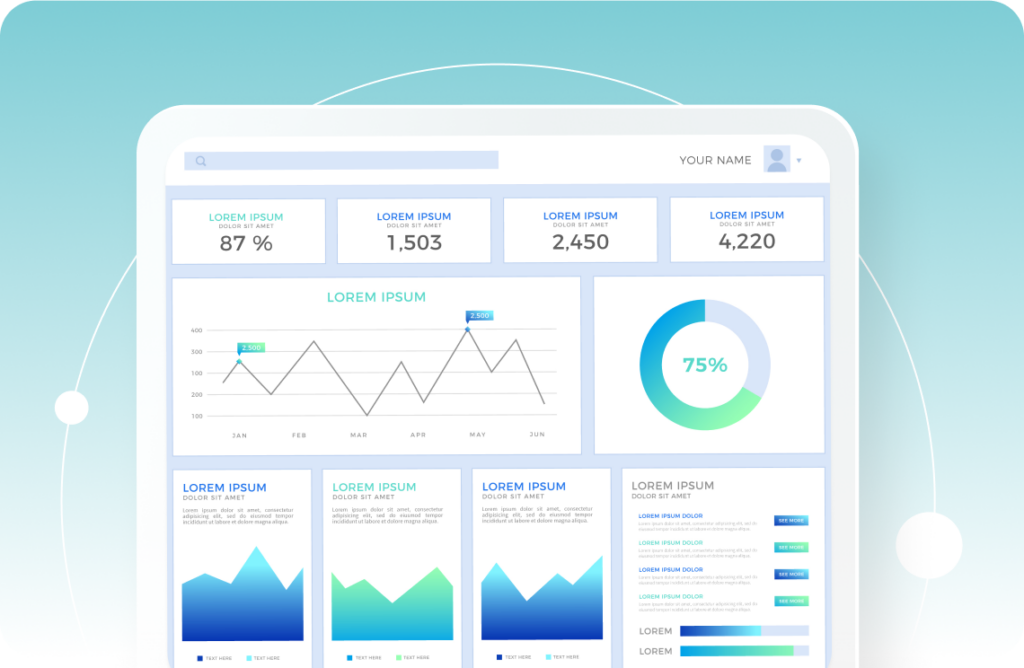
Chart comparing Halo ITSM user ratings on features like usability, automation, customer support, and integration, showing typical strengths and concerns raised in customer reviews.

Conclusion and Next Steps: Build Your ITSM Vendor Shortlist

Successful ITSM procurement relies on rigorous, criteria-based selection. Utilizing robust ITSM vendor evaluation criteria, coupled with resources like the Halo ITSM RFP template and informed by real user feedback from Halo ITSM customer reviews, ensures the selection of a scalable ITSM tool that supports business agility and secure digital transformation.

Actionable Next Steps

  1. Form a cross-functional team: Include IT, operations, security, procurement, and HR.
  2. Draft your RFP: Use tools like the Halo ITSM RFP template to define clear requirements and objective scoring.
  3. Shortlist and demo vendors: Leverage your weighted criteria and ITSM selection checklist.
    Also consult the detailed guide on SMC Consulting
  4. Integrate peer feedback: Use Halo ITSM customer reviews and other sources to validate fit.
  5. Make an evidence-based selection: Document your process to ensure transparency and the longevity of your ITSM platform investment.

What are the next steps after defining ITSM vendor evaluation criteria?
After defining ITSM vendor evaluation criteria, form a cross-functional team, draft a structured RFP (using tools like the Halo ITSM RFP template), shortlist and demo vendors, integrate customer reviews, and make an evidence-based selection.


For a comprehensive action plan and checklists, consult this resource
(Sources: CloudNuro, The CTO Club, GoWorkWize)

Further Reading and Resources

FAQ

An ITSM vendor evaluation criteria list is a structured list of functional, technical, and support requirements used to compare and assess software vendors during the ITSM tool selection process.
See examples of checklists and templates in this guide.

Modern ITSM tools in 2025 support digital transformation by automating workflows, enabling cloud-native operations, integrating with enterprise systems, and providing analytics for continuous service improvement.

Yes, well-aggregated ITSM user feedback from reputable platforms (like G2 or Gartner Peer Insights) can reliably reveal platform strengths and issues, making it a valuable component of the ITSM selection process.
Professional tips on using customer reviews in decision-making: SMC Consulting

SMEs are switching to Halo ITSM to simplify IT operations, reduce costs, and get a solution tailored to their size—without the complexity or excessive expenses of ServiceNow.

Yes, Halo ITSM is generally much more affordable for SMEs due to transparent pricing, whereas ServiceNow’s enterprise focus leads to higher and often unpredictable costs.

Yes, ServiceNow and Halo ITSM can integrate using standard APIs and connectors, enabling data exchange or hybrid workflows—though Halo’s integrations are generally simpler for SMEs to set up and manage.

– Analyze current environment and map needs
– Export data from ServiceNow
– Import and configure in Halo ITSM
– Train staff
– Perform phased deployment and validate success

Spread the love