

CSRD & IT: measuring IT asset carbon footprint without a heavy toolchain
Discover how Green ITAM helps measure your IT asset carbon footprint, improve CSRD IT readiness, connect asset data, and support credible sustainability reporting.
Read more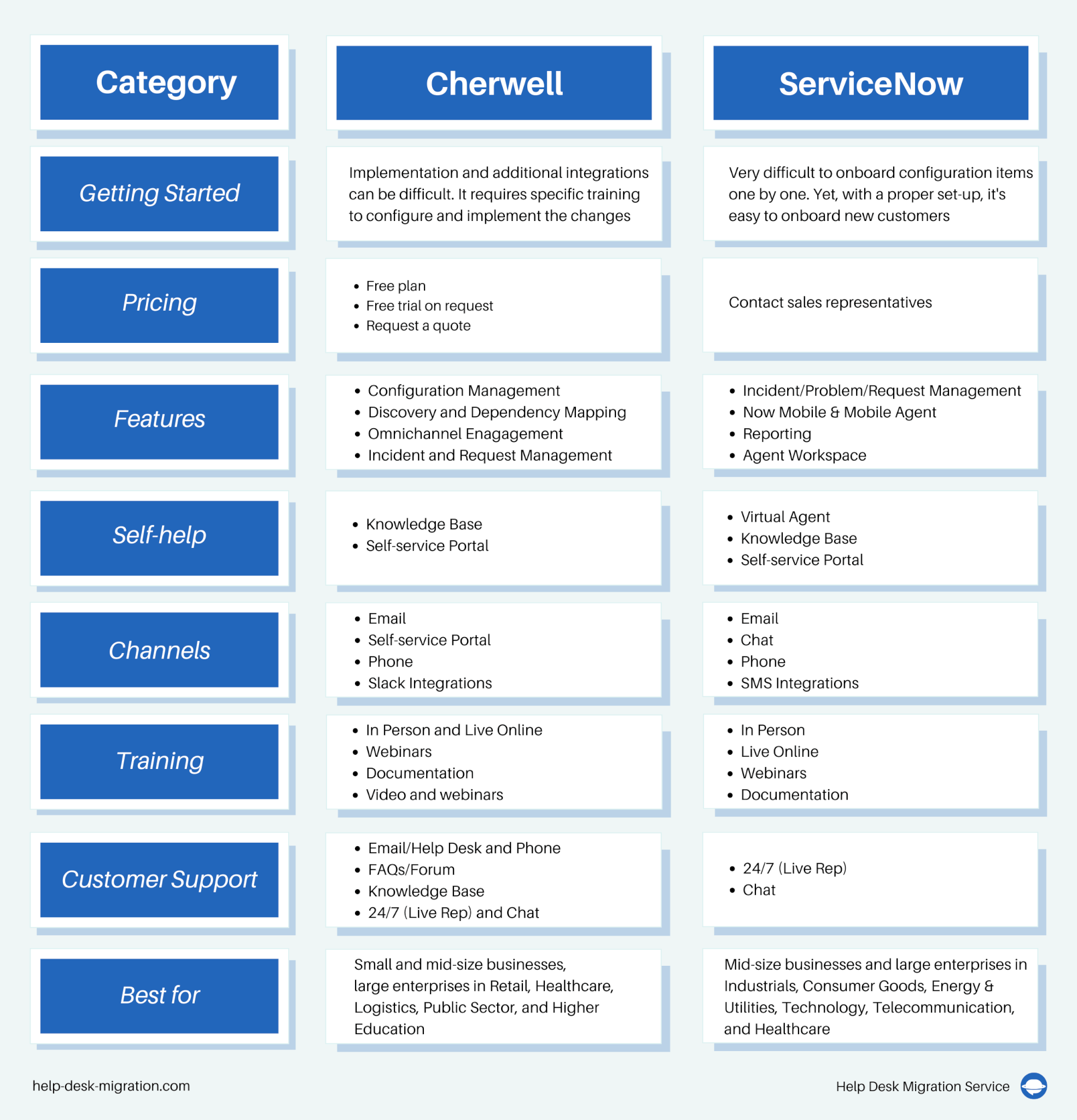
By Dana Kaye
IT Operations Analyst and Tech Blogger at SMB IT Central. Dana specializes in service management technology for small to midsize organizations, translating technical topics into actionable insights for IT leaders.
Last updated: June 2024
Choosing the right ITSM tool can deeply affect your team’s workflow, customer satisfaction, and bottom line. Comparing halo itsm vs servicenow features puts a spotlight on two market leaders with very different approaches.
| Feature | Halo ITSM | ServiceNow |
|---|---|---|
| Ticketing & Incident Mgmt | Fast, intuitive, easy tracking | Highly customizable, robust workflows |
| Automation & AI | Simple automation for routine IT tasks | Advanced automation, AI-driven virtual agents |
| Reporting & Analytics | Ready-to-use reports, basic trends | Deep analytics, KPI dashboards, custom reports |
| Asset Management | Included, inventory control | Extensive, ideal for complex environments |
| Integrations | Plug-and-play: Slack, Office 365, Okta, Jira, Splunk, Twitter | Wide ecosystem, deep 3rd-party & custom plugins |
| Customization/Configuration | No-code forms, flexible fields | Extensive, supports custom logic |
| Self-Service Portal | Simple, clear end-user interface | Fully customizable, enterprise-grade |
| Deployment Options | SaaS/cloud, on-premises, mobile | SaaS/cloud, mobile |
| Customer Support | Email, phone, rapid escalation | Documentation, community, enterprise support |
| Usability/Learning Curve | Minimal training, smooth education | Steep; significant onboarding/config required |
By contrast, ServiceNow is best for organizations demanding highly tailored workflows and advanced automation at enterprise scale.
Market shifts confirm the SMB trend toward right-sized, efficient ITSM.
(See Slashdot comparisons)
Connecting core business tools to your ITSM platform is essential. Both Halo ITSM and ServiceNow offer mature integration options—including:
See the integration section on PeerSpot
Making the switch from ServiceNow to Halo ITSM typically follows these best-practice steps:
Full migration checklist here and experience reports on TrustRadius.
Advice:
Review your ITSM needs, organizational complexity, and budget before committing. Request demos of both, talk to peer SMBs, and consult trusted review sources (PeerSpot, TrustRadius, Slashdot).
Halo ITSM is designed for SMBs seeking simplicity, affordability, and rapid deployment, while ServiceNow offers enterprise-grade, customizable features that may be excessive or complex for smaller organizations.
Halo ITSM is often preferred by SMBs for its simplicity, cost-effectiveness, and ease of deployment, whereas ServiceNow is generally suited to large, complex enterprises.
– Intuitive ticketing and incident management
– Built-in asset management
– Plug-and-play integrations (Slack, Office 365, Okta, Jira, Splunk, Twitter)
– Simple self-service portal
– Rapid onboarding and user training
– Transparent setup and subscription structure
– Affordable and scalable for SMBs
SMBs switch to Halo ITSM to simplify IT operations, reduce costs, and gain a solution tailored to their size—without the excess complexity or expense of ServiceNow.
Yes, Halo ITSM is generally much more affordable for SMBs due to transparent pricing, while ServiceNow’s enterprise focus results in higher and often unpredictable costs.
Yes, ServiceNow and Halo ITSM can integrate using standard APIs and connectors, enabling data exchange or hybrid workflows—though Halo’s integrations are typically simpler to configure and manage for SMBs.
– Analyze current environment and map requirements
– Export data from ServiceNow
– Import and configure within Halo ITSM
– Train staff
– Conduct phased rollout and validate success
Book a free consultation with an SMC Consulting expert.
Book Your Free ConsultationDiscover how Green ITAM helps measure your IT asset carbon footprint, improve CSRD IT readiness, connect asset data, and support credible sustainability reporting.
Read more
Human in the loop ITSM lets AI handle routine service desk work while people approve high-risk actions, monitor governance, and manage escalation rules.
Read more
Build a ServiceNow ITSM strategy and roadmap for governance, automation and reporting — with SMC Consulting's certified ITSM engineers.
Read more