




HaloITSM licensing cost breakdown: complete pricing guide

You are here:
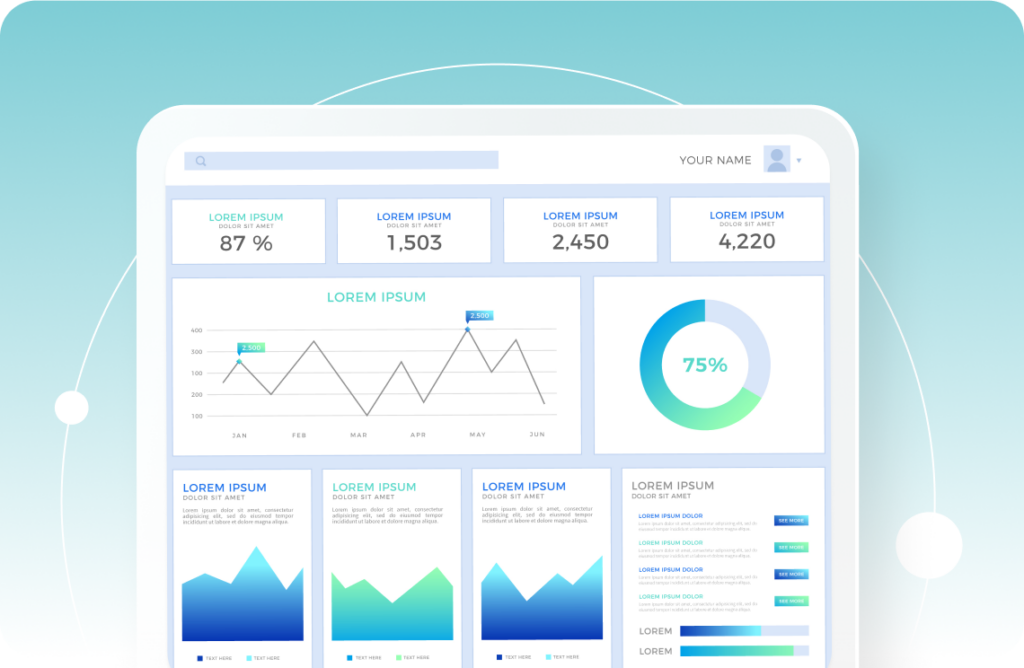
IT manager reviewing a detailed HaloITSM licensing cost dashboard and budget breakdown on a laptop

✍️ Written by Emmanuel Yazbeck

ITSM Consultant | 15+ years experience | Certified ITIL4 Practitioner

Published: February 4, 2026 | Last Updated: February 4, 2026

Estimated reading time: 12 minutes

Key takeaways

  • HaloITSM uses a primarily per‑agent subscription model with most core ITIL capabilities, automation, asset management, and integrations included in the base licence.
  • Indicative HaloITSM pricing often falls in the rough range of $49–$70 per agent per month (billed annually), with actual rates depending on volume, region, and partner discounts.
  • The inclusive feature model keeps your haloitsm licensing cost and long‑term total cost of ownership predictable compared to heavily tiered ITSM tools.
  • Key cost drivers include the number of agents, ITSM process scope, integration complexity, and implementation effort rather than hidden module fees.
  • Working with a specialist partner like SMC Consulting helps right‑size licences, optimise usage, and turn transparent haloitsm license pricing into measurable ROI.

How ITSM licensing usually works (and why it is often confusing)

Understanding your HaloITSM licensing cost upfront is critical for IT managers and CIOs who need predictable ITSM budgets, clean business cases, and no surprises mid‑project. In a market where ITSM tool pricing often hides essential modules behind complex tiers, organisations evaluating HaloITSM want a clear haloitsm cost breakdown, transparent haloitsm license pricing, and practical guidance on right‑sizing haloitsm licensing. This article explains HaloITSM’s pricing philosophy, outlines realistic (but non‑binding) cost ranges, and shows how leading platforms like HaloITSM enable organisations to control total cost of ownership (TCO) while gaining a modern, ITIL‑aligned service management platform.

Typically, ITSM tools charge:

  • Per agent, not per end user
    Most tools charge per support agent: people who handle incidents, manage changes, administer assets, or configure workflows. A less common model charges per end user (every employee who might log a ticket), which can become expensive at scale.
  • Named vs concurrent agents
    • Named: each licence is tied to a specific person.
    • Concurrent: a shared pool where only a certain number can be logged in at once.

    Many vendors mix these, which complicates both budgeting and licence audits.

  • Modular add‑ons and tiers
    According to ITIL best practice guidance, organisations are encouraged to treat processes holistically. However, many tools do the opposite commercially by splitting capabilities into paid extras, such as:

    • Asset management and CMDB
    • Service catalog and request management
    • Automation and orchestration (sometimes branded as “IT workflow” or RPA)
    • Knowledge base and self‑service portal
    • Integrations with identity, monitoring, HR, and collaboration platforms

    Customers often discover that “standard” or “professional” plans exclude key ITIL processes like change or problem management.

  • Implementation and support as separate line items
    Implementation projects, training, and ongoing vendor support are usually billed separately. Over 3–5 years, this can rival or exceed licence spend.

Why traditional ITSM licensing frustrates buyers

Common pain points include:

  • Paying for large bundles or higher tiers just to unlock one needed feature
  • Being forced onto “enterprise” plans for core ITIL processes
  • Extra charges for integrations with Microsoft Azure, monitoring tools, or HR systems
  • Premium fees for reporting, automation, or AI that should be standard

Many organisations end up with a patchwork of partially used modules and overlapping tools, driving up total cost of ownership.

How HaloITSM addresses typical ITSM licensing issues

HaloITSM licensing was deliberately designed to reduce these frustrations. Leading platforms like HaloITSM offer a primarily per‑agent model, but with a flat, inclusive feature set:

  • Core ITIL processes (incident, problem, change, request) included
  • Service catalog and self‑service portal included
  • Asset management and CMDB included
  • Automation engine and extensive integrations included

Instead of charging separately for every module, HaloITSM focuses on a predictable licence that covers the capabilities most organisations actually need. This simplicity makes haloitsm license pricing easier to explain to finance and procurement, and it allows IT teams to expand their process scope without renegotiating their licences every year.

The HaloITSM licensing model: simple, flat, and inclusive

HaloITSM’s licensing philosophy centres on transparency, flexibility, and value. For organisations tired of tiered ITSM pricing models, this is often a major reason to shortlist HaloITSM.

How does HaloITSM licensing work?

At a high level, haloitsm licensing is based on:

  • Per‑agent subscription
    Each agent licence covers a “power user” of the platform:

    • Service desk analysts
    • Change or problem managers
    • Asset and configuration managers
    • IT admins configuring workflows, SLAs, and automation

    Typically, all these roles use the same licence type, so you are not juggling separate SKUs just because job titles differ.

  • Unlimited end‑user self‑service
    End users raise and track tickets through the self‑service portal without additional per‑user fees. This is a key difference from some tools that charge per requester. As a result, the effective cost per supported user is very low.
  • No tiers for essential features
    In most cases, common ITSM capabilities are part of the base licence, including:

    • Incident, request, problem, and change management
    • SLA management and escalation rules
    • Knowledge base and self‑service portal
    • Service catalog and approvals
    • Asset management and CMDB
    • Reporting and dashboards
    • Integrations with directory services, collaboration platforms, and monitoring tools

    HaloITSM’s automation engine allows teams to build routing rules, notifications, and process flows without paying for an additional orchestration product.

  • Cloud or on‑premise with a similar structure
    Whether you deploy in the cloud or on‑premise, the basic per‑agent haloitsm license pricing model usually remains consistent, though infrastructure responsibilities may differ.

Why this matters for HaloITSM licensing cost

Because core capabilities are bundled, a single agent licence unlocks a broad, ITIL‑aligned toolset. Consequently:

  • You avoid buying separate modules as you mature more processes.
  • You can roll out incident, request, change, and asset management on the same licensing base.
  • You reduce the risk of needing unexpected upgrades to enterprise tiers.

For IT leaders, that means your HaloITSM licensing cost is not just a monthly fee—it is a predictable, all‑in platform expense that makes multi‑year ITSM roadmap planning much easier.

Quick summary of HaloITSM licensing model:

  • Per‑agent subscription model
  • Unlimited end‑user portal access
  • Core ITIL processes, automation, knowledge, and reporting are included
  • Asset management, CMDB, and integrations included rather than sold as premium modules

HaloITSM licensing cost breakdown: what you are really paying for

In this section we will walk through a practical haloitsm cost breakdown so you can estimate your HaloITSM licensing cost and understand how haloitsm license pricing is structured. All figures are indicative and must not be treated as official quotes.

Core agent licences

An agent is anyone who actively works within HaloITSM:

  • Resolving tickets
  • Approving or implementing changes
  • Managing assets and CMDB data
  • Configuring workflows, SLAs, and automations

Licensing is generally:

  • Per named agent (the most common model)
  • In some regions/arrangements, concurrent models may be available; this should always be confirmed with your HaloITSM partner.

Based on publicly available pricing ranges from review and comparison sites, organisations using HaloITSM typically see ballpark agent pricing of:

  • Around $49–$70 per agent per month, billed annually
  • Roughly £50–£65 per agent per month in the UK market
  • Volume discounts frequently starting around 25+ agents, with custom enterprise pricing at higher volumes

All functional roles use the same base agent licence, which simplifies planning and avoids arbitrary price differences between, say, a change manager and a service desk analyst.

Important: These numbers are indicative examples only. Actual HaloITSM licensing cost will vary by region, partner, contractual term, and overall deal structure.

Included capabilities versus add‑on modules

One of HaloITSM’s strengths is how much is included in the base licence:

  • Service desk and ITIL processes: incident, request, problem, change
  • Service catalog: request types, forms, approval flows
  • Automation engine: routing, notifications, escalations, approvals, and task automation
  • Asset management and CMDB: devices, services, relationships, and dependencies
  • Knowledge base and self‑service: FAQs, how‑to articles, and service portal
  • Integrations: with Active Directory/Azure AD, email, collaboration tools, and monitoring

Although optional extensions or specialised integrations may carry additional effort or cost, most organisations do not have to purchase separate “modules” just to manage assets or build automation. This bundled model helps keep your haloitsm licensing cost stable as you expand usage.

Environment and hosting model

HaloITSM can be deployed:

  • As a cloud/SaaS service
    • Subscription includes hosting, updates, and standard support.
    • Ideal for organisations prioritising rapid time to value and minimal infrastructure management.
  • On‑premise
    • Similar per‑agent structure, but you provide the infrastructure, backups, and patching.
    • Useful where data residency, regulation, or integration needs demand local hosting.

The hosting choice usually affects internal IT costs more than licence pricing itself, but it is a key part of your total cost of ownership.

Implementation and onboarding

Licence fees are only one part of your haloitsm cost breakdown. To get real value, you need a well‑planned implementation. Typical implementation elements include:

  • Process and requirements workshops
  • Configuration of incident/request/change flows and SLAs
  • Building the service catalog and email templates
  • Setting up the asset management model and importing data
  • Integrating with AD, M365, monitoring, or HR tools
  • Training for administrators and agents

These are generally one‑off project costs, scoped and delivered either by internal teams or by partners like SMC Consulting. In some cases, minimal implementations can be done in‑house to reduce spend, but larger organisations usually prefer expert guidance to avoid rework.

Support and upgrades

With the subscription:

  • Product updates are included, so you always have the latest features and security patches.
  • Standard support is part of the licence; larger deployments may receive enhanced support or a dedicated success manager as part of their contract.
  • Non‑profit and education sectors often benefit from discounted HaloITSM licensing cost, making the platform attractive to public and education customers.

Total cost of ownership view

When you factor in everything included, haloitsm licensing can reduce TCO significantly:

  • Fewer third‑party tools for assets, automation, or self‑service
  • Less need for custom development due to configuration‑driven workflows
  • No separate fees for core ITSM modules

Even if headline per‑agent pricing appears similar to other ITSM tools, the inclusive nature of HaloITSM often makes the real, 3–5 year cost notably lower.

What is included in HaloITSM licensing cost?

  • Per‑agent licences covering all core ITIL processes
  • Unlimited end‑user portal access
  • Asset management, CMDB, automation, and key integrations
  • Ongoing support and product updates

What drives your HaloITSM licensing cost?

Not every organisation will receive the same quote. Understanding the main cost drivers helps you interpret proposals and plan your ITSM budget.

Key factors that affect HaloITSM licensing cost

  1. Number of agents and power users
    This is the primary driver because licensing is per agent. The more analysts, managers, and admins you license, the higher your total subscription.
  2. Number of business units and regions
    Additional departments (e.g., HR, Facilities, Finance) may require more agents, but there is no hidden “multi‑department” surcharge. Complexity affects implementation scope more than the per‑agent price itself.
  3. Scope of ITSM processes
    With leading platforms like HaloITSM, expanding from incident‑only to full ITIL does not usually mean more modules; instead, it may require more agent capacity and configuration effort. This is a major pricing advantage over tools where each process is a separate SKU.
  4. Integration complexity
    Connecting to collaboration tools, monitoring, identity, and HR systems tends to influence project cost, not the recurring licence. Heavier integrations may justify more consulting days during rollout.
  5. Asset estate size and CMDB depth
    HaloITSM typically supports large numbers of assets without a separate asset‑module fee. However, a deep CMDB with many relationships and discovery integrations will impact implementation effort.

Example annual cost scenarios (illustrative only)

  • Scenario 1: Small IT team (5–10 agents)
    • Approx. $49–$70 per agent per month
    • Annual spend roughly $3,000–$8,400
    • Ideal for SMEs formalising service management beyond email and spreadsheets.
  • Scenario 2: Mid‑market organisation (20–50 agents)
    • Volume discounts often start around 25 agents
    • Approx. $50–$70 per agent per month via partners
    • Annual spend roughly $12,000–$42,000
  • Scenario 3: Enterprise deployment (100+ agents)
    • Custom pricing; partners can negotiate lower per‑agent rates at scale
    • Indicative range around $50–$70 per agent per month
    • Annual spend roughly $60,000–$100,000+, depending on region and deal structure

Again, these numbers are guidelines, designed to help with ITSM budget planning rather than replace a formal quote.

How HaloITSM scales compared to tiered tools

Because haloitsm licensing is mainly linear—more agents equal more cost, with discounts for volume—you avoid sudden jumps when:

  • You add problem or change management
  • You adopt asset management and CMDB
  • You open the platform to additional departments

This predictability is particularly valuable for CIOs and procurement teams building 3–5 year ITSM roadmaps.

What factors affect HaloITSM licensing cost?

  • Number of support agents and admins
  • Number of teams and regions onboarded
  • ITSM process scope (incident‑only vs full ITIL)
  • Integration and implementation complexity
  • Sector and eligible discounts

How HaloITSM license pricing compares to other ITSM tools

When evaluating haloitsm license pricing, most organisations compare it against two broad groups: heavy enterprise platforms and lighter service desk tools.

Comparison dimensions

Useful criteria include:

  • Per‑agent cost
  • Features included vs sold as add‑ons
  • Implementation complexity and ongoing admin effort
  • Total cost of ownership over 3–5 years

Positioning HaloITSM among ITSM platforms

  1. Versus legacy enterprise suites
    Large enterprise ITSM platforms can exceed $100 per agent per month and often use intricate tiering. They are powerful but can require extensive custom development, dedicated administrators, and long rollout timelines. Customers frequently pay extra for automation, ITOM integrations, or AI on top of the core service desk.
  2. Versus lightweight service desk tools
    Tools like Atlassian’s ITSM offering or Freshservice often advertise lower entry pricing per agent. However, to reach comparable capability—full ITIL coverage, robust automation, asset management, and reporting—you may need higher tiers, paid apps, or third‑party tools. Over time, these add‑ons can erode the apparent savings.
  3. Where HaloITSM sits
    HaloITSM typically offers $49–$70 per agent per month with core ITIL processes, automation, service catalog, asset management, and integrations included. This positions HaloITSM between the two extremes:

    • More comprehensive and enterprise‑ready than many lightweight tools.
    • Less complex and more cost‑predictable than heavyweight enterprise suites.

Value perspective: cost per capability and per ticket

When you consider:

  • The wide feature set included in the base HaloITSM licence
  • The ability to use the same platform across IT, HR, and other service teams
  • The reduction in third‑party tools and custom development

…the effective cost per capability and per resolved ticket is often significantly lower than competitor platforms.

How does HaloITSM license pricing compare to other ITSM tools?
HaloITSM usually offers per‑agent pricing around $49–$70 per month, with most ITIL processes, automation, and asset management included. Legacy tools often cost more per agent and rely on complex tiers, while lighter tools can appear cheaper but require add‑ons to match functionality. As a result, HaloITSM often delivers a lower total cost of ownership for equivalent or better capability.

How to optimise HaloITSM licensing cost for maximum ROI

Buying the right number of licences is only half the challenge. Maximising ROI from your HaloITSM licensing cost depends on how effectively you use the platform.

Practical ways to reduce effective cost without losing functionality

  1. Build a phased ITSM roadmap
    Start with core processes like incident, request, and knowledge. Plan later phases for change, problem, asset, and automation. This avoids over‑licensing before your team and stakeholders are ready.
  2. Right‑size your agent count
    Identify daily users who genuinely need full agent access. Use email or portal‑based approvals where possible for managers who rarely touch the console. Review licence utilisation after a few months and adjust counts accordingly.
  3. Leverage the self‑service portal and knowledge base
    Publish clear how‑to guides and FAQs so users can help themselves. Route common requests (password resets, access requests, equipment orders) through structured catalog items. As ticket deflection improves, each agent can handle more value‑adding work, lowering effective cost per ticket.
  4. Use HaloITSM’s automation engine extensively
    Automate categorisation, assignment, notifications, and escalations. Trigger workflows on events (e.g., monitoring alerts, HR joiners/movers/leavers). Reduce repetitive manual steps that consume analyst time.
  5. Favour configuration over custom code
    HaloITSM’s workflow builder and configuration options are designed to minimise the need for bespoke development. This lowers long‑term support and upgrade costs, protecting your investment.

Connecting optimisation to your haloitsm cost breakdown

By:

  • Reducing ticket volume through self‑service and knowledge
  • Increasing automation across repetitive tasks
  • Ensuring only the right staff hold full agent licences

…you decrease your cost per resolved incident or request even if the per‑agent rate remains constant. This is a compelling story when presenting a haloitsm cost breakdown to leadership.

How can I reduce my HaloITSM licensing cost without losing functionality?

  • Right‑size the number of agent licences regularly
  • Drive adoption of the self‑service portal and knowledge base
  • Automate repetitive tasks with HaloITSM’s built‑in workflows
  • Review usage data with your HaloITSM partner and adjust licensing as needed

Budgeting and procurement tips for HaloITSM licensing

Procurement and finance teams need more than a monthly price—they need a robust plan covering several years. HaloITSM’s transparent model makes this easier, but some discipline is still required.

Plan over a 3–5 year horizon

When budgeting, include:

  • Licence subscriptions for agents, including expected growth
  • Implementation and configuration costs (initial rollout, plus planned enhancements)
  • Training and change management to drive adoption
  • Expansion to other teams such as HR or Facilities, which might require more licences but no new modules

Because haloitsm licensing is primarily per‑agent and largely flat in terms of features, you can often forecast future spend by projecting agent numbers and applying expected volume discounts.

Key procurement questions to ask

When you request proposals, ensure you ask:

  • What exactly is included in our haloitsm license pricing?
  • How do volume discounts work as we add or remove agents?
  • Are upgrades to new features included in the subscription?
  • What are the terms for scaling our haloitsm licensing up or down?
  • Are any integrations, reports, or support levels considered premium and charged separately?

Clarifying these points early helps you build an accurate haloitsm cost breakdown and avoids surprises in year two or three.

How SMC Consulting supports budgeting

As a specialist HaloITSM partner, SMC Consulting can:

  • Translate your ITSM strategy into a realistic, multi‑year budget
  • Model different growth scenarios for agent counts and departments
  • Show how process adoption and automation will impact your effective TCO

For organisations that want to go a layer deeper than this article and run a full ITSM TCO calculation, including service desk labour, tool consolidation, and automation benefits, you can use SMC’s detailed ITSM TCO calculator and methodology alongside your HaloITSM licensing estimates.

How should I budget for HaloITSM licensing?

  • Estimate agent counts over 3–5 years, including growth and new departments
  • Add implementation, training, and ongoing improvement costs
  • Clarify exactly what is included in your haloitsm license pricing and how discounts work
  • Validate your assumptions with a HaloITSM partner such as SMC Consulting

Real‑world HaloITSM licensing cost scenarios

To make the numbers more tangible, the following examples show how HaloITSM licensing cost can look in practice. These scenarios are illustrative, based on public ranges; they are not official offers.

Scenario A: SME moving from email and spreadsheets

  • Profile
    • 7 IT agents
    • Basic ITIL: incident and request
    • Light integrations (email, Active Directory)
  • Licensing picture
    • 7 agent licences
    • Approx. $49–$65 per agent per month
    • Annual spend around $4,000–$5,500
  • Value story
    • Replaces unstructured email queues and spreadsheets with a modern, ITIL‑aligned service desk.
    • Gains SLAs, reporting, and a self‑service portal without extra modules.
    • HaloITSM licensing cost is modest relative to the improvement in efficiency and visibility.

Scenario B: Mid‑market company replacing multiple tools

</p>

  • Profile
    • 30 agents across IT and HR
    • Shared service desk, asset management, and CMDB
    • Integrations with collaboration tools and monitoring
  • Licensing picture
    • 30 agent licences
    • Approx. $50–$70 per agent per month with volume discounts
    • Annual spend around $18,000–$25,000
  • Value story
    • Consolidates several point solutions (legacy IT ticketing, HR request tool, separate asset tracker) into HaloITSM.
    • Reduces overlapping subscriptions and simplifies support.
    • Automation and a single data model cut manual effort and improve reporting, justifying the consolidated spend.

Scenario C: Enterprise transforming global ITSM

</p>

  • Profile
    • 120 agents across multiple regions
    • Full ITIL suite: incident, problem, change, request, asset, CMDB, knowledge
    • Extensive automation, plus multiple integrations
  • Licensing picture
    • 120 agent licences
    • Custom enterprise pricing, often in the $50–70 per agent per month range
    • Annual spend roughly $72,000–$100,000+, depending on discounts
  • Value story
    • Enables a single, global ITSM platform with consistent processes and reporting.
    • Replaces or simplifies numerous local tools and custom integrations.
    • Improves MTTR, SLA adherence, and auditability while keeping cost growth predictable.

If you are comparing these scenarios with other ITSM tools, SMC’s vendor evaluation guide can help you weigh HaloITSM licensing cost against alternatives on features, risk, and long‑term value rather than price alone.

How much does HaloITSM cost for small, mid‑size, and enterprise organisations?

  • SMEs (≈5–10 agents): roughly $3,000–$8,400 per year
  • Mid‑market (≈20–50 agents): roughly $12,000–$42,000 per year
  • Enterprises (100+ agents): roughly $60,000–$100,000+ per year, depending on volume discounts and scope

How SMC Consulting maximises your HaloITSM licensing value

Licensing the right platform is only the first step. To ensure your HaloITSM licensing cost translates into measurable business value, experienced implementation and optimisation are essential.

What SMC Consulting brings to your HaloITSM journey

SMC Consulting is a leading HaloITSM implementation and ITSM consulting partner, with deep knowledge of both the technology and ITIL‑aligned best practices.

Key ways SMC helps:

  1. Needs assessment and roadmap
    Analyse your current tools, processes, and pain points. Define a future‑state ITSM roadmap. Map this roadmap to an optimal haloitsm licensing plan.
  2. Licensing design and optimisation
    Determine how many agent licences you genuinely need by role and location. Plan phased rollouts to avoid over‑buying licences before adoption. Periodically review usage to ensure licences remain right‑sized.
  3. Implementation and configuration
    Configure ITIL processes, SLAs, automation flows, and the service catalog to match your ways of working. Implement integrations with AD, M365, monitoring, HR, and other systems. Set up asset management and CMDB structures aligned with standards like ISO/IEC 20000.
  4. Training and adoption
    Train admins and agents on using HaloITSM effectively. Promote self‑service and knowledge management to maximise deflection. Embed best practices derived from ITIL Foundation guidance.
  5. Ongoing optimisation
    Review usage analytics and process metrics regularly. Suggest workflow refinements and licence adjustments. Ensure your haloitsm cost breakdown remains aligned with business outcomes as you scale.

For organisations that want hands‑on guidance from ITIL‑certified experts to ensure every euro of HaloITSM licensing cost turns into value, SMC’s dedicated HaloITSM implementation and consulting practice explains their methodology, services, and engagement models.

Why a partner matters for ROI

A well‑designed HaloITSM implementation:

  • Prevents over‑licensing and under‑utilisation
  • Reduces rework and costly redesigns later
  • Ensures you exploit included features (automation, asset management, integrations) instead of buying point solutions

Do I need a partner to get the most value from HaloITSM licensing?
You can buy HaloITSM licences directly, but working with a specialist partner like SMC Consulting helps you right‑size licences, configure processes correctly, and fully exploit included capabilities. That ensures your HaloITSM licensing cost delivers the maximum possible return.

Conclusion: Turn transparent HaloITSM licensing into long‑term value

HaloITSM stands out in the ITSM market by combining enterprise‑grade capability with a clear, largely flat licensing model. Instead of wrestling with tiers and hidden modules, you gain a per‑agent pricing structure where most core ITIL features, automation, asset management, and integrations are included. Understanding your HaloITSM licensing cost—along with a realistic haloitsm cost breakdown—helps you budget accurately, compare haloitsm license pricing against other tools, and build a strong business case for modernising service management.

With a clear view of your HaloITSM licensing cost, you can confidently plan your ITSM roadmap, avoid over‑licensing, and maximise ROI by fully leveraging HaloITSM’s automation engine, service catalog, and asset management capabilities. To translate these principles into a plan tailored to your organisation, contact SMC Consulting for a personalised HaloITSM licensing cost estimate, a detailed haloitsm cost breakdown, and a roadmap that shows how HaloITSM can consolidate and enhance your ITSM landscape: SMC HaloITSM services.

If you are ready to go deeper into the numbers and see how different licence volumes, countries, and ITSM maturity levels impact your HaloITSM licensing cost, SMC’s dedicated HaloITSM pricing and TCO guide expands on these concepts with concrete benchmarks. And for organisations comparing HaloITSM with other tools, you can pair that with SMC’s step‑by‑step ITSM TCO and ROI model to build a robust financial business case.

About the author

Emmanuel Yazbeck is a Senior ITSM Consultant at SMC Consulting, specialising in ITIL‑aligned service management design and HaloITSM implementation across France, Belgium, and Luxembourg. With over 15 years of experience, Emmanuel has guided hundreds of organisations through ITSM tool selection, licensing optimisation, and multi‑phase rollout programmes.

As a certified ITIL practitioner and official HaloITSM partner, Emmanuel combines deep platform expertise with a pragmatic focus on TCO, automation, and measurable ROI. He regularly helps CIOs, IT managers, and procurement teams build defensible business cases and accurate haloitsm cost breakdowns for board approval.

Want to clarify your HaloITSM licensing cost? Contact Emmanuel for a tailored HaloITSM licensing and TCO review and turn pricing transparency into long‑term ITSM value.

Frequently asked questions

What is the best ITSM tool for transparent licensing cost?

For organisations that want modern, ITIL‑aligned capabilities with transparent pricing, HaloITSM is often the best ITSM tool to consider. Its primarily per‑agent model, unlimited end‑user self‑service, and inclusive feature set make HaloITSM licensing cost easier to understand and control than many tiered alternatives.

How much does HaloITSM typically cost per agent?

Indicative ranges from public sources suggest HaloITSM typically costs around $49–$70 per agent per month, billed annually, with discounts at higher agent counts. However, these figures are approximate; your actual HaloITSM license pricing will depend on volume, region, contract term, and partner arrangements and must be confirmed via a tailored quote.

What is included in the base HaloITSM licence?

The base HaloITSM licence typically includes core ITIL processes (incident, request, problem, change), a self‑service portal and knowledge base, service catalog and approvals, an automation engine and workflow tools, asset management and CMDB, reporting and dashboards, and standard integrations with identity, email, and collaboration platforms. These inclusions mean your HaloITSM licensing cost covers a broad ITSM toolset by default.

Does HaloITSM charge for end users?

In most deployments, HaloITSM does not charge per end user. Instead, you pay per agent, and end‑user self‑service access is unlimited. This helps keep the cost of HaloITSM low relative to the number of employees supported and simplifies ITSM budgeting.

What factors affect HaloITSM licensing cost?

The main factors affecting HaloITSM licensing cost are the number of support agents and admins, the number of teams and regions onboarding to the platform, the scope of ITSM processes in use (for example, incident‑only vs full ITIL), integration and implementation complexity, and any sector or volume discounts. Because HaloITSM uses a primarily per‑agent model, costs scale in a predictable, largely linear way.

How can I reduce my HaloITSM licensing cost without losing functionality?

You can reduce your effective HaloITSM licensing cost by right‑sizing the number of agent licences, driving adoption of the self‑service portal and knowledge base to deflect tickets, using HaloITSM’s automation engine to handle repetitive tasks, and regularly reviewing licence usage with your HaloITSM partner. These measures lower the cost per resolved ticket while keeping full functionality.

How should I budget for HaloITSM licensing?

To budget for HaloITSM licensing, estimate agent counts over a 3–5 year period, including expected growth and new departments. Add implementation, training, and ongoing improvement costs, and clarify exactly what is included in your HaloITSM license pricing and how discounts work. Working with a specialist partner such as SMC Consulting helps you validate assumptions and build a realistic multi‑year cost model.

Do I need a partner to get the most value from HaloITSM licensing?

While you can buy HaloITSM licences directly, working with a specialist partner like SMC Consulting helps you right‑size licences, configure ITIL‑aligned processes correctly, and fully exploit included features such as automation, asset management, and integrations. This ensures your HaloITSM licensing cost delivers maximum return on investment and avoids costly missteps.

Spread the love