




ITSM Vendor Evaluation Criteria: RFP Guide and Tool Selection 2025

You are here:
IT SERVICE ITSM

ITSM: A Pillar of Digital Transformation

IT Service Management (ITSM) is a key factor for today’s businesses, which seek not only to optimize their IT services but also to align these processes with their strategic objectives. At the core of ITSM is the approach to structuring service management using frameworks such as ITIL. This approach encompasses all operations necessary for the proper functioning of the information system, from needs planning to problem resolution and data maintenance.

One of the main advantages of ITSM is its ability to transform the IT department into a true value creation center. Once perceived as a mere support center, it now becomes an essential driver of business competitiveness. By implementing ITSM solutions, organizations standardize their practices, improve the quality of their services, and reduce costs. Furthermore, establishing a centralized service desk allows all user requests to be channeled, promoting both responsiveness and efficiency in incident handling.

Digital Transformation

Do you want to accelerate your digital transformation?

SMC Consulting offers cutting-edge solutions that automate your operations and strengthen your customer engagement.

Tangible and Measurable Benefits for Businesses

Significant Performance Improvement for Clients

Implementing an ITSM system offers tangible benefits. Businesses often find that they can resolve up to 4 out of 10 incidents faster than before, thanks in particular to increased automation and the use of predictive diagnostic tools. Pending issues are identified more quickly, thereby reducing the workload of support teams and improving overall service quality.

Furthermore, the reduction in system downtime—sometimes up to 60% according to some studies—results in improved IT business continuity. For the organization, this means less loss of productivity and greater satisfaction for end-users, whether internal (employees) or external (company clients).

Optimized Service Costs

In the current environment, many businesses seek to optimize their budgets while maintaining high quality standards. ITSM addresses this challenge by offering efficient management of technological resources and assets. Modern solutions centralize system information in a single configuration (CMDB), thereby reducing redundancies and facilitating the identification of unnecessary expenses.

Consequently, some organizations report a nearly quarter reduction in their IT service costs. Furthermore, user support (via the service desk) becomes more efficient: the resolution of basic incidents is largely automated, freeing up time for higher-value tasks and improving customer satisfaction.

Automation and Operational Efficiency of IT Services

The Central Role of ITSM Tools

Service management relies on increasingly sophisticated tools capable of continuously analyzing organizational data. By detecting early warning signs, these platforms prevent problems before they disrupt users or interrupt processes. Automation plays a key role in this process: nearly two-thirds of Level 1 support issues can be handled by a support bot without human intervention.

Beyond relieving the service desk, this approach offers better visibility into current and upcoming incidents. It also enables the creation of a shared knowledge base among different teams, streamlining communication and accelerating decision-making. As a result, employees save time, and the company improves its responsiveness to unforeseen events.

Standardized Processes for Greater Flexibility

Adopting ITIL practices also means harmonizing processes across the entire organization. Standardization ensures consistency in request handling, incident resolution, and change management within systems. This homogeneity facilitates coordination between teams, even when they are equipped with diverse technologies or spread across multiple sites.

Thanks to this standardization, IT projects gain in traceability. Every system update or ITSM platform evolution is clearly documented, enriching the knowledge base. This approach limits the risk of errors and helps maintain a high level of quality, even in a constantly evolving environment.

The Rise of Cloud Computing and Innovative ITSM Tool Platforms

A More Flexible Infrastructure

The development of a cloud-based infrastructure represents a major turning point for ITSM services. Hosted solutions offer a more fluid and scalable experience as they are easily accessible from any connection point and automatically manage their own load. IT teams no longer have to worry about hardware sizing: the cloud platform provider handles it.

This flexibility also accelerates the implementation of new functionalities. An organization can thus adapt its ITSM processes more quickly to meet urgent business challenges or regulatory changes. Cloud-based services are often transparently updated, allowing users to continuously benefit from the latest innovations.

Connected Ecosystems

Beyond infrastructure, the trend is towards connecting different systems to create a unified IT ecosystem. ITSM platforms interact with other tools such as project management, network monitoring, and IT security. This cross-functional integration ensures an overview of asset status and improves the quality of strategic decisions.

Businesses equipped with these integrated ecosystems gain in responsiveness: when an incident occurs, alerts are transmitted in real-time to the relevant teams, who can intervene before the problem escalates. This promotes more proactive support and reduces service interruptions, offering a better experience for users and clients.

ticket ITSM management ITSM IT service SCM consulting

IT Services: A Profit Center Rather Than a Cost Center

The Strategic Contribution of Information Technology

ITSM strengthens the perception of the IT department as a strategic partner. By adopting rigorous resource management, controlling costs, and continuously improving service quality, IT becomes a potential profit center rather than a burden. Efficiency gains reverberate throughout the organization, from increased team productivity to the ability to innovate faster.

This paradigm shift is even more pronounced when ITSM relies on clearly defined performance indicators: average resolution time, user satisfaction rate, budget adherence, etc. By tracking these indicators, it becomes easier to manage operations, justify investments, and demonstrate the value IT brings to the business.

The Key Role of the Service Desk

The service desk is the primary point of contact for all IT service requests. It collects user information, prioritizes incidents, and assigns tasks to the appropriate teams. Thanks to ITSM, this contact point is integrated into a set of clearly documented processes, enabling the service desk to make faster and more informed decisions.

By providing support teams with direct access to knowledge bases and problem histories, ITSM ensures efficient request processing. The improvement in service quality is quickly felt: clients receive faster and more accurate responses, which promotes a better image of the organization and contributes to customer loyalty.

Towards ITSM 4.0 for Even Greater Service Efficiency

The Integration of AI and Predictive Analytics

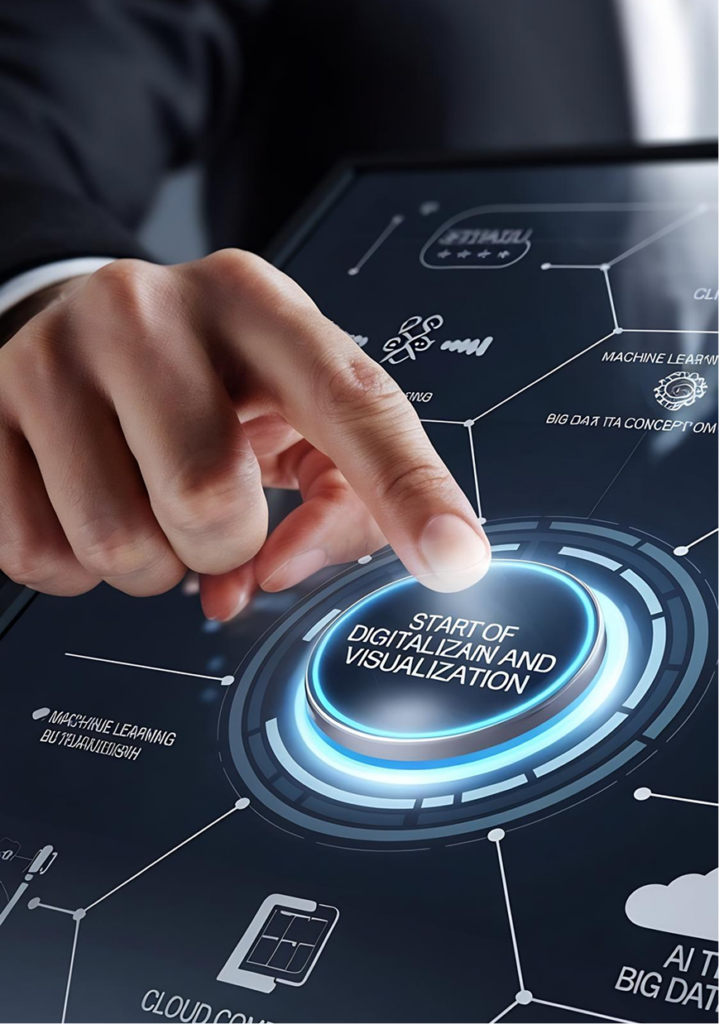
Recent technological advancements pave the way for what is known as “ITSM 4.0,” characterized by the integration of artificial intelligence, cloud computing, big data, and predictive analytics. Algorithms are capable of identifying potential incidents even before they occur, proposing tailored solutions, and even automatically triggering certain repair procedures.

This evolution brings a new dimension to IT service management. Teams save valuable time, and problems are resolved more quickly, or even avoided. Businesses that successfully adopt these technologies consistently often observe increased productivity and greater user satisfaction.

A More Human-Centered Approach

Despite increasing automation, humans remain at the heart of service management. Employee training in new tools and practices is essential for ensuring the success of the transformation. Clear communication, combined with tailored support, helps overcome resistance and encourages the adoption of ITSM methods.

Furthermore, ITSM 4.0 focuses on the overall user experience. The interfaces of modern solutions are designed to be user-friendly and intuitive, allowing everyone to access the information they need in a few clicks. This simplicity strengthens the trust of clients and employees in the implemented systems.

HALOITSM LOGO

HaloITSM, the Ideal Solution for Optimizing Your IT Service Management!

Get a free demo now and discover how HaloITSM can transform your support and assistance processes.

HaloITSM, an Excellent ITSM Solution

Innovative Architecture

Innovative ArchitectureHaloITSM stands out with its cloud-ready infrastructure, with nearly 100% uptime. Its integrated AI engine can process over five thousand tickets per minute and accurately analyze their content, saving considerable time on incident resolution.

Proven Results

Experience shows that HaloITSM automates approximately 80% of ITIL processes and reduces incident processing time by 60%. Return on investment is typically achieved in just over a year.

ITSM: A Solution for Next-Level IT Services

Ultimately, ITSM emerges as an essential solution for any business wishing to take its IT services to the next level. Thanks to process standardization, automation, and the adoption of recognized best practices, IT becomes a pillar of the overall strategy, capable of supporting and stimulating organizational growth.

From service desk implementation to proactive incident analysis, ITSM covers a wide range of needs and ensures better resource utilization. By leveraging cloud infrastructure, modern platforms offer the flexibility and scalability essential for the digital age. Costs are better controlled, productivity is enhanced, and service quality continuously improves, benefiting both users and clients.

In the long term, this approach positions IT not only as a support center but, more importantly, as a driver of innovation, contributing to business competitiveness. Accumulated knowledge, asset management, and strategic objective alignment allow IT teams to position themselves as true partners, capable of positively influencing the organization’s evolution. ITSM thus embodies the successful convergence between technology and global vision, paving the way for new opportunities for development and value creation.

Boost Your Operational Efficiency with Our Tailored Digital Solutions!

At SMC Consulting, we understand that every business is unique. That’s why we offer customized solutions that perfectly adapt to your specific needs.

Contact us today for a free analysis of your needs and begin your journey towards operational excellence.

Spread the love