Book A Meeting
SMC Consulting
HaloITSM incident management

Incident management in HaloITSM, set up by ITIL v4 consultants

Your agents should spend their time restoring service, not sorting tickets. SMC Consulting's ITIL v4 certified consultants set up incident management in HaloITSM: tickets arriving from email, the portal and Microsoft Teams, triage and routing done by rules and Halo AI, SLAs that escalate before they breach, and a major incident process your team can follow under pressure.

180ITSM implementations
40+ITSM migrations
20years in IT service management
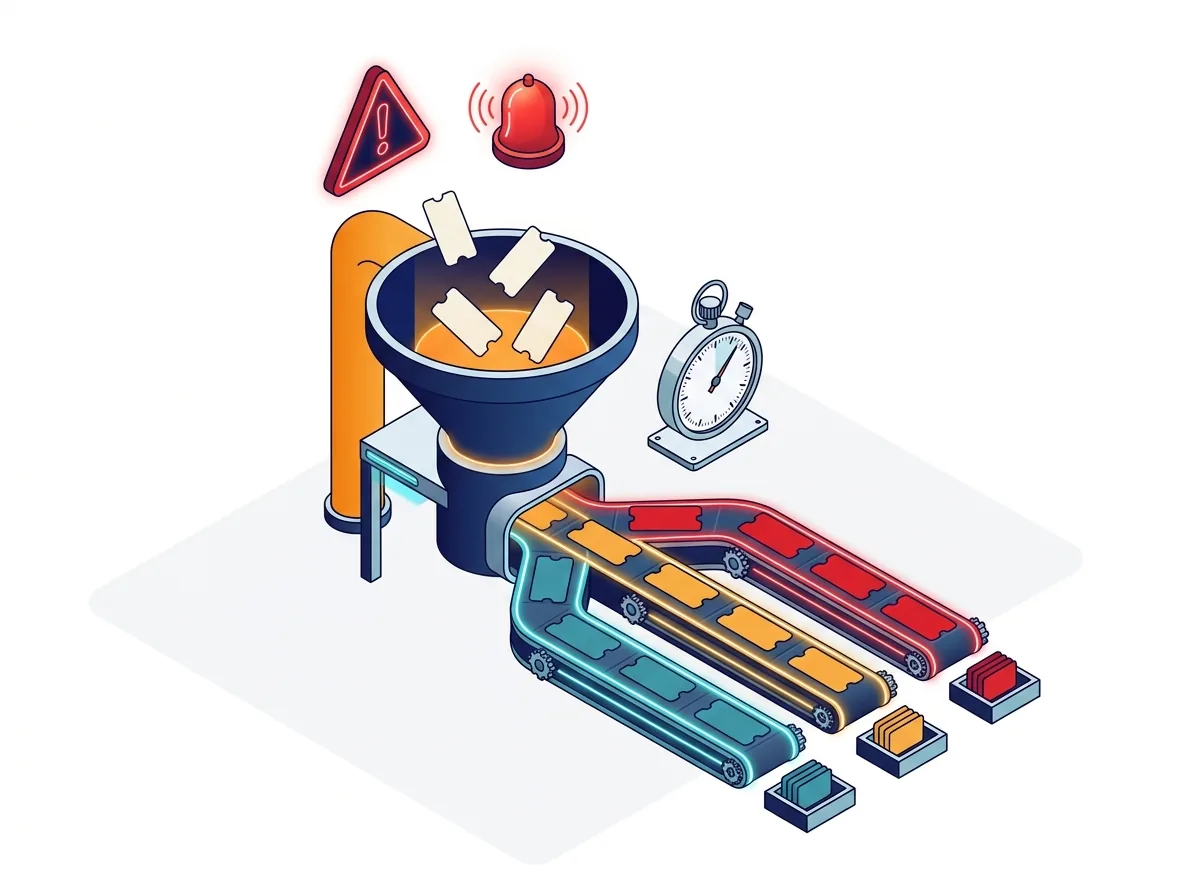
Illustration of HaloITSM incident management: alerts sorted by a funnel into prioritised ticket lanes
SMC Consulting

They trust us on their ITSM projects

  • Proximus
  • Lineas
  • Brussels Airport
  • ING
  • CPH Banque
  • DKV
  • Loterie Nationale
  • Crelan
  • Belfius
  • ALD Automotive
  • BNP Paribas Fortis
  • AXA
  • KBC

Incident management in HaloITSM: what changes for your agents

Incident management restores normal service as quickly as possible after an unplanned interruption. The practice itself, with priorities, the difference between incidents, problems and requests, and the ITIL 4 lifecycle, is explained in our guide to incident management in ITIL 4. This page is about running it in HaloITSM.

In HaloITSM, each incident arrives with its requester, the affected service and its configuration items, is categorised and prioritised from your impact and urgency matrix, and lands in the right queue with its SLA clock running. Agents see related incidents, known errors and suggested knowledge articles on the same screen, so the first answer is often the right one.

Incident management is one of the practices of our practical guide to ITSM, and HaloITSM is the tool we recommend most often to run it.

HaloITSM is the incident management software; the value comes from how it is set up for your teams.


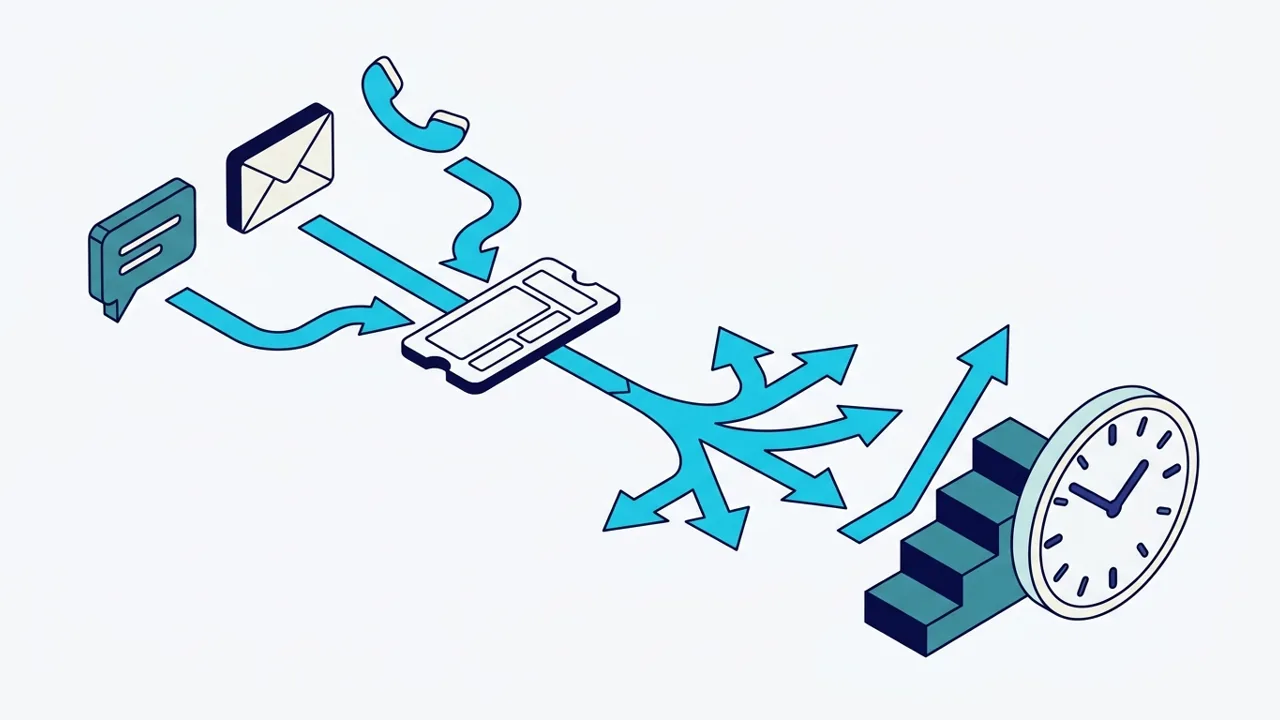
Diagram of chat, email and phone intake flowing into one ticket, a triage rule and an SLA escalation

Why HaloITSM for incident management

Every channel, one queue

Email, the self-service portal, Microsoft Teams and the API all create the same incident record, with the requester already identified.

Triage by rules and Halo AI

Categorisation, priority and routing rules do the sorting; Halo AI adds triage, summaries and suggested replies, included in the licence.

SLAs that escalate before the breach

SLA and OLA timers per priority, with warnings and escalations before the target is missed, not after.

Impact from the CMDB, answers from knowledge

Affected services come from the CMDB; knowledge articles and known errors are suggested at resolution.

CMDB in HaloITSM

See your own incident flow in HaloITSM

A live demo on two or three of your incident scenarios, or a free trial: 30 days, 15 of them guided by SMC Consulting.

The incident lifecycle in HaloITSM

Six steps, each with what we configure in HaloITSM. The theory behind each step is in our ITIL 4 incident guide.

1. Logging

Email, portal, Teams and API intake, with forms that ask only for what the agent needs.

2. Categorisation and priority

Your categories and an impact Ă— urgency matrix set the priority and the SLA automatically.

3. Assignment

Routing rules send the ticket to the right team or agent, by category, site, service or skill.

4. Escalation

Functional and hierarchical escalations triggered by SLA warnings, so nobody has to watch the clock.

5. Resolution

Knowledge articles, known errors and related incidents suggested on the ticket; the fix is recorded for next time.

6. Closure

Requester confirmation, a closure code and a satisfaction survey; recurring incidents go to problem management.

Major incidents in HaloITSM

Declare and group

A major incident is flagged on clear criteria; HaloITSM's major incident console groups the related tickets under it.

Communicate

Status updates to users and stakeholders from one place, and a Teams channel for the response team.

Hand over to problem

Once service is back, the major incident opens a problem record for the root cause.

Problem management in HaloITSM

How SMC Consulting sets it up

Four phases, in Belgium, Luxembourg and France, by ITIL v4 certified consultants.

Under NIS2, significant incidents must be reported on a deadline; see NIS2 compliance for ITSM. Not sure where your incident process stands? Book my free ITSM audit. Still choosing a tool? Our comparison of the 10 best ITSM tools sets HaloITSM against the alternatives.

  1. Design

    Categories, the priority matrix, SLAs, queues and the major incident procedure agreed with your service desk.

  2. Configure

    Intake channels, forms, routing rules, SLA timers and escalations built in HaloITSM and tested on real scenarios.

  3. Knowledge and AI

    The first knowledge articles written, suggestions switched on, and Halo AI used where it saves agents time.

  4. Enablement

    Agents and team leads trained on their own tickets; dashboards for the KPIs below; a review once the first months of data are in.

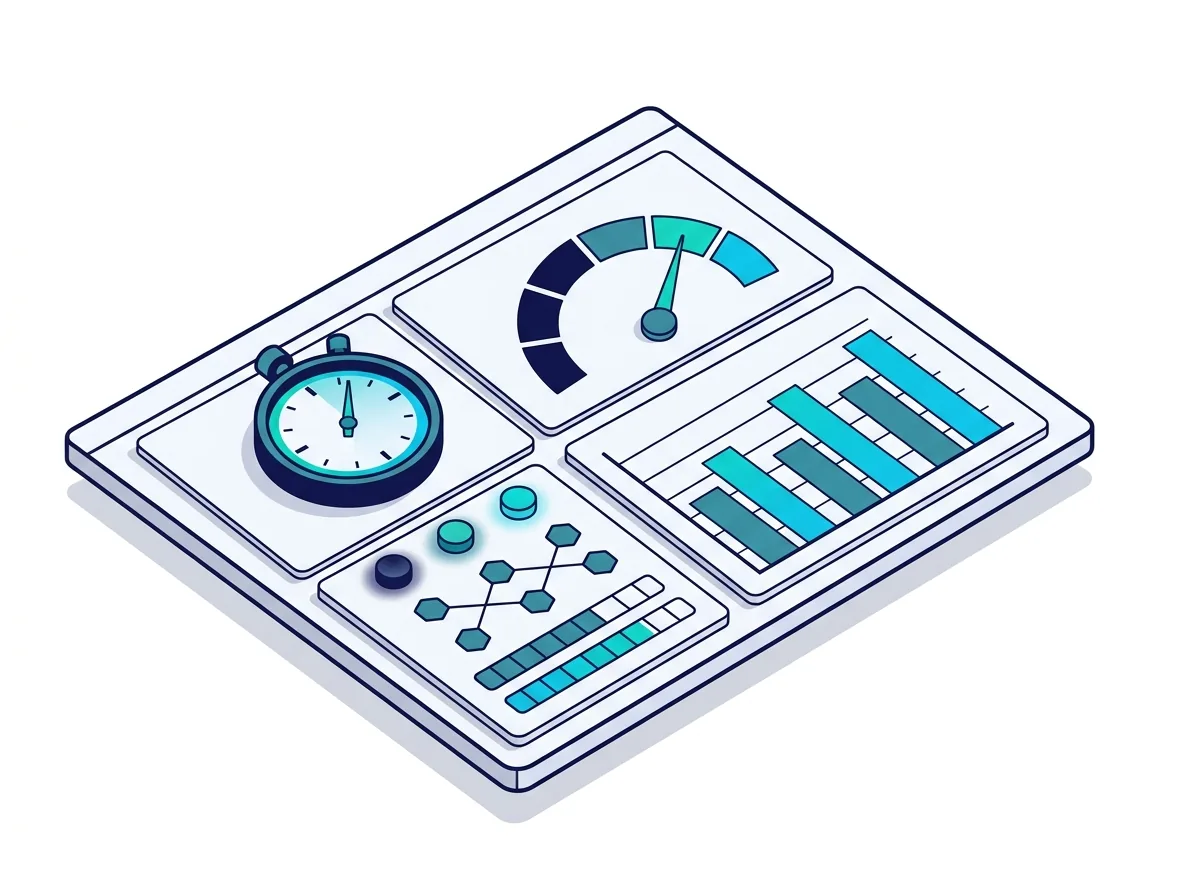
Dashboard with a stopwatch, gauge and charts for the incident KPIs we configure

The incident KPIs we configure

  • Mean time to restore (MTTR): per priority and per service, from logging to resolution
  • First contact resolution (FCR): incidents solved by the first agent, without escalation
  • SLA compliance: response and resolution targets met, per priority and per team
  • Reopen rate: incidents reopened after closure, a sign of fixes that did not hold
  • Backlog and ageing: open incidents by age, so nothing waits unseen

AurionAI: L1 calls become HaloITSM tickets

The call is answered

AurionAI, an AI helpdesk for IT support made by our partner AurionAI SRL, answers first-line calls, chats and emails 24/7.

The ticket is created

It collects the details, identifies the caller and creates the incident in HaloITSM with a summary.

The agent picks it up

Your agents start from a complete ticket instead of a voicemail.

AurionAI

Who this is for

Service desk managers

Who want SLAs met without agents sorting tickets by hand.

IT managers moving to HaloITSM

Who want incident management live in the first release, set up the ITIL way.

HaloITSM implementation

Teams already on HaloITSM

Whose queues, categories and SLAs grew without a plan and need a clean-up.

HaloITSM support and optimisation

Integrations that cut time to restore

  • Microsoft Teams: tickets created from Teams messages, updates pushed to channels, and a bot to follow and find tickets.
  • Jira: incidents that need a code fix linked to Jira issues, with status kept in sync.
  • Azure DevOps: work items linked to incidents, so engineering and the service desk see the same status.
  • PagerDuty: on-call escalation for the incidents that cannot wait until morning.

Users can also log and follow incidents in the HaloITSM self-service portal.

Incident management in HaloITSM: frequently asked questions

Is HaloITSM incident management aligned with ITIL 4?

Yes. HaloITSM is accredited by PeopleCert for ITIL 4 across 11 practices, incident management among them. We configure it with your own categories, priorities and SLAs, so it follows the practice without forcing a generic template on your teams.

Can users raise and track incidents in Microsoft Teams?

Yes. HaloITSM's Teams integration creates tickets from Teams messages, pushes updates to channels and offers a bot to follow and find tickets. Users who prefer the portal or email keep those channels.

How does HaloITSM handle major incidents?

A major incident is declared on agreed criteria; the major incident console groups related tickets, and updates go out from one place. After service is restored, a problem record looks for the root cause; see problem management in HaloITSM.

How long does a HaloITSM incident management setup take?

Incident management is part of the first release of every HaloITSM implementation; its length depends on your channels, categories, SLAs and integrations. You get a dated plan at the end of the design workshops.

What does incident management cost in HaloITSM?

Nothing extra: HaloITSM has one price per agent with every module included, incident management and Halo AI among them. See HaloITSM pricing; the onboarding is quoted by scope. Our advice is independent. If you choose HaloITSM, we can also supply the licences as its certified partner, and we tell you so up front.

What is the difference between an incident and a problem in HaloITSM?

An incident is one interruption to restore now; a problem is the cause behind one or more incidents. In HaloITSM, incidents are linked to the problem record, and the known error and workaround come back to agents on the next ticket. The full comparison is in our incident management guide.

Restore service faster with HaloITSM, set up the ITIL way

Book a live demo on your own incident scenarios. You can also start a free trial: 30 days, 15 of them guided by SMC Consulting.