CMDB & Configuration Management in HaloITSM
See what you own and how it connects. We implement
HaloITSM so you can maintain a trustworthy CMDB — from automated discovery to service/CI relationships and impact analysis that speeds incidents and de-risks change.
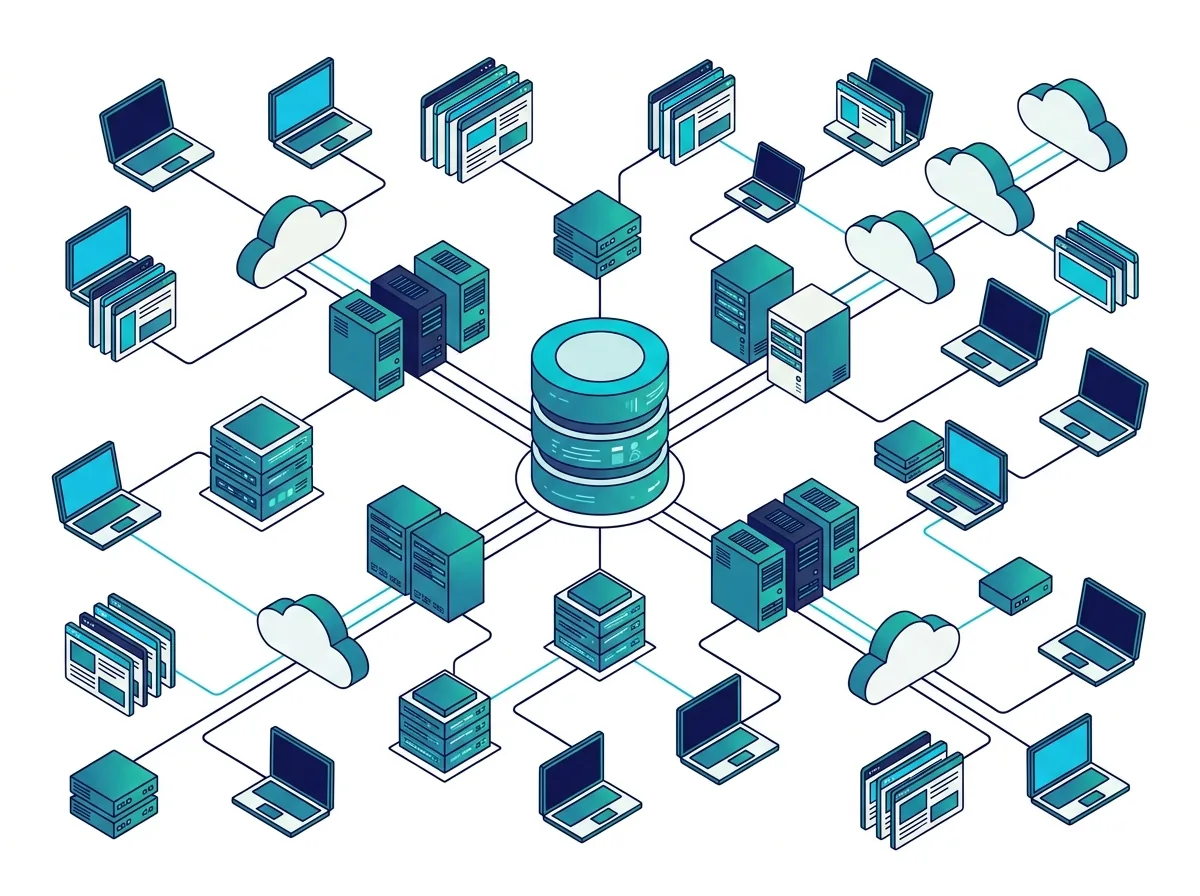
HaloITSM’s feature set includes CI tracking and dependency visualisation; we extend it with discovery tools to keep data fresh.
Related capabilities
What is a CMDB (in ITIL 4 terms)?
Why teams choose HaloITSM for CMDB
CI tracking & dependency maps
HaloITSM lets you track assets and visualise dependencies between CIs, linking issues to affected items and spotting systemic failures early.
Automated discovery at scale.
- Lansweeper → HaloITSM: pull discovered hardware/software & relations straight into HaloITSM.
- Virima → HaloITSM: add automated discovery and service mapping for hybrid/cloud estates.
- Microsoft Intune: import managed devices via documented Graph permissions.
Impact analysis for ops
Linking incidents/problems to CIs/services reduces MTTR; change risk checks rely on CMDB relationships and calendars. Incident Management and Change Management depend on accurate configuration data.
A foundation for automation
HaloITSM Service Automation Framework highlights CMDB’s role as the base for end-to-end automation across ITSM.
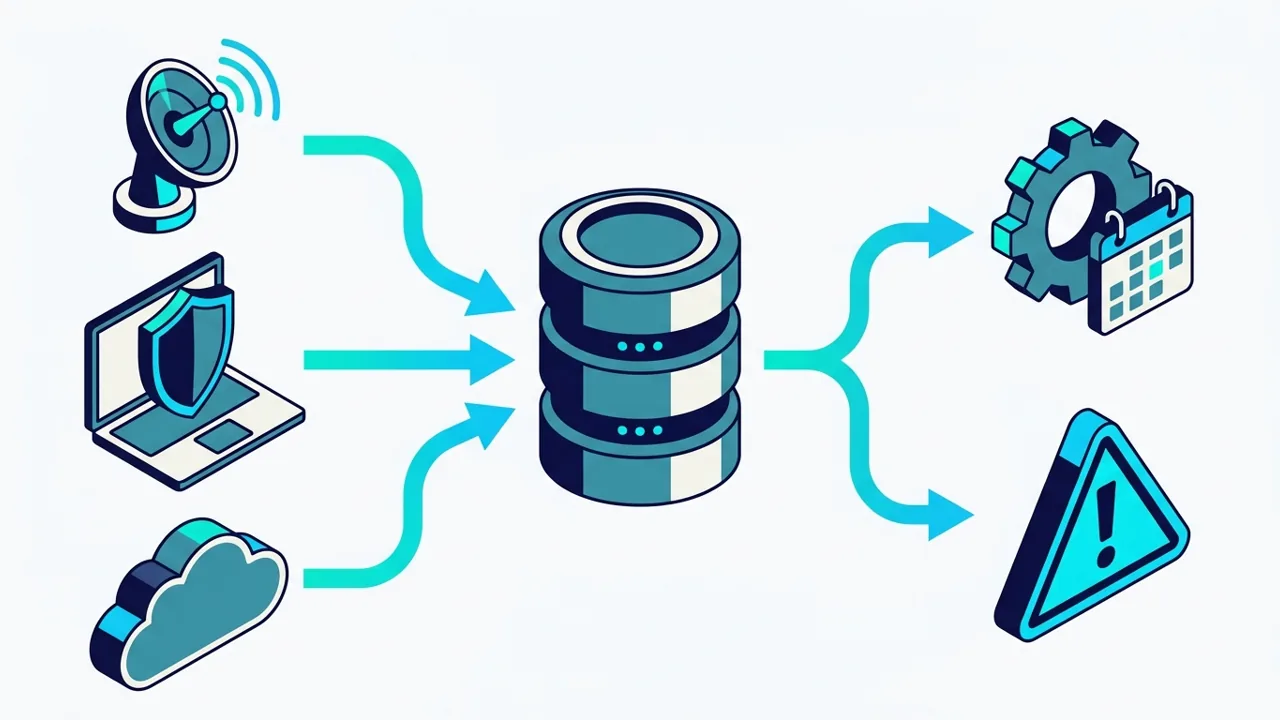
Typical data sources we connect
Discovery
Dev/Work
Directory
Prefer native integrations first for lower TCO; if you need many cross-tool connections, we can layer iPaaS later.
- Design & build: CI classes, attributes, relationship model aligned to services and SLAs (fit for incidents/changes).
- Discover & import: set up Lansweeper/Virima/Intune feeds and perform baseline loads; define authoritative sources per CI class.
- Relate & validate: map critical services, owners and dependencies; run spot-checks and dashboards for CI completeness & accuracy.
- Operationalise: link CMDB to Incident/Change workflows, PIR templates and risk models; enable impact-aware approvals.
clean CMDB?
KPIs & governance we set up
- CI coverage & freshness (per class/source)
- Relationship completeness (services ↔ CIs)
- Incident MTTR improvement with CI links
- Change failure rate & collision avoidance (with impact checks)
Frequently Asked Questions.
Asset management tracks ownership/cost/lifecycle; the CMDB focuses on relationships and service impact. In ITIL, both sit under SACM. Incident Management Guide
Use authoritative sources: Lansweeper / Virima for discovery & mapping; Intune for managed devices; routine reconciliations & dashboards for quality.
Yes—relationship data speeds diagnosis and enables risk-based change planning and approvals. ITSM Docs – ITSM Documents Templates
Start with Intune (devices) and Entra ID for ownership/roles; add Lansweeper for breadth and Virima for mapping.