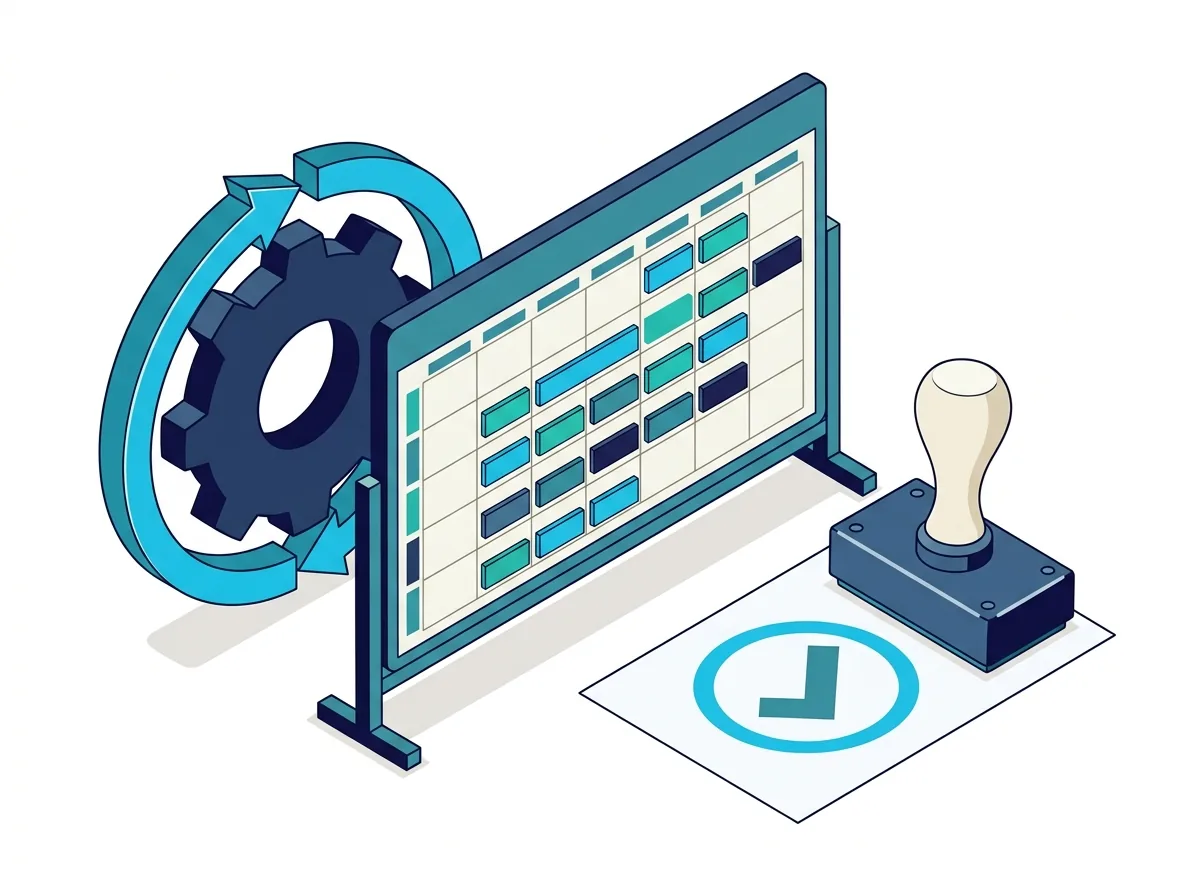
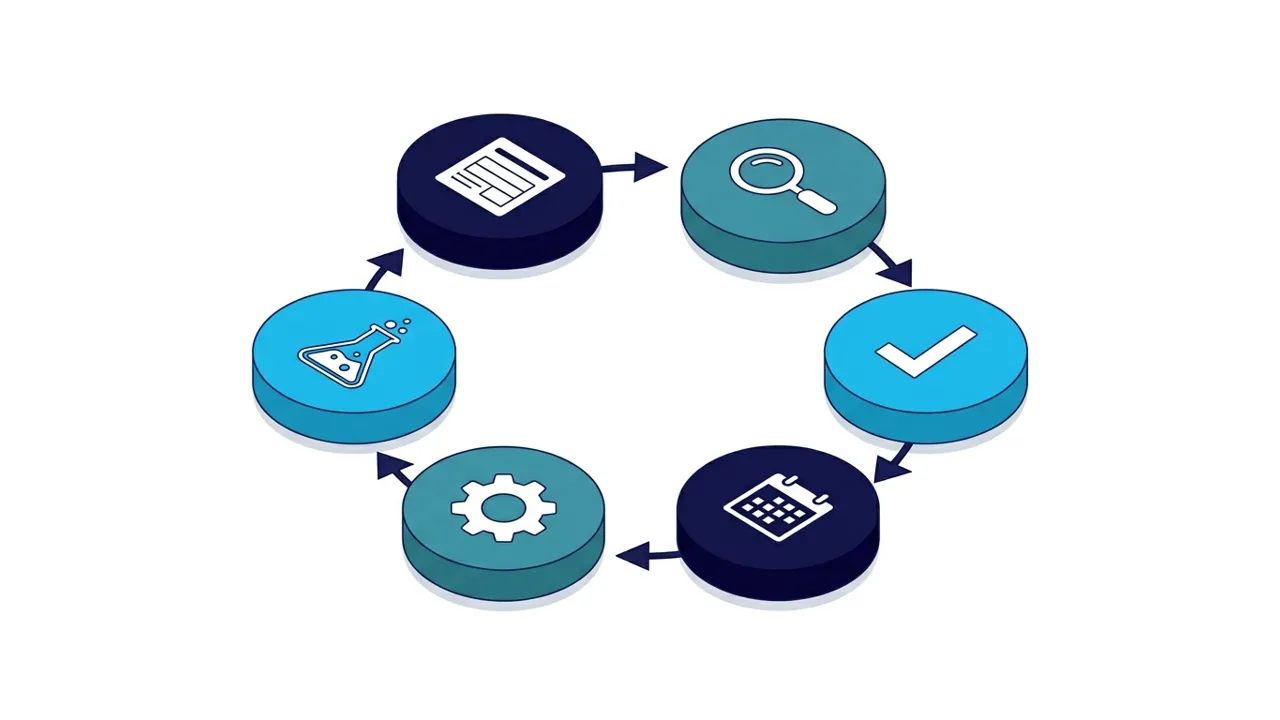
In ITIL 4, the change advisory board (CAB) is one form of change authority, not a meeting every change must pass. Standard changes are pre-authorised and never reach it. Normal changes go to the authority that matches their risk: a team lead for a low-risk change, the CAB for a change that can hurt several services. Emergency changes go to a small emergency CAB (ECAB) that can decide quickly, on demand.
| CAB | ECAB |
|---|
| Which changes | Normal changes above the agreed risk level | Emergency changes that cannot wait for the next CAB |
| When it meets | On a fixed rhythm, often weekly, with an agenda of the changes awaiting review | On demand, as soon as an emergency change is raised |
| Who sits on it | The change manager (chair), service owners, IT operations, security, and a business representative for high-impact changes | The change manager or a delegate, the service owner and the technical lead; security when relevant |
| What HaloITSM records | The approval step on each change, the risk and impact assessment, the comments and the decision | A shorter approval path, the reason for urgency, and a mandatory review after implementation |
In HaloITSM, the CAB works from the list of changes awaiting review and the change calendar, so the agenda builds itself from the records rather than from a spreadsheet. Approvers are notified by email and in Microsoft Teams. We set the risk levels and approval chains with you, so the CAB spends its time on the changes that matter.