

CSRD & IT: measuring IT asset carbon footprint without a heavy toolchain
Discover how Green ITAM helps measure your IT asset carbon footprint, improve CSRD IT readiness, connect asset data, and support credible sustainability reporting.
Read more
“Planning without a clear direction is doomed to failure.” If this quote resonates with you, it means you understand the importance of a solid structure for the success of any project. A project charter is much more than just an administrative document: it is the foundation upon which the effective management of your projects rests.
In this article, we’ll explain what a project charter is, why it’s crucial, and how to create one that meets the needs of your team and stakeholders. We’ll also provide a ready-to-use template, practical tips, and a list of essential elements to include.
Are you ready? Let’s dive into the fundamentals of successful project management .
In short, the project charter is not just a document, but a powerful strategic tool that acts as a point of reference throughout the project lifecycle. It offers a precise and adaptable roadmap, guaranteeing the success of projects, regardless of their complexity.

Provide a concise yet comprehensive overview of the project. Include key information such as the context, the project’s significance, and the expected benefits. For example:
This section needs to be precise but inspiring enough to engage stakeholders.
Objectives must be measurable, specific, and achievable. Consider using the SMART method (Specific, Measurable, Achievable, Relevant, Time-bound). For example:
Also mention sub-objectives that break down these goals into achievable steps, emphasizing their impact.
Include specific details about available funds and human or material resources. For example:
Emphasize the need for regular budget monitoring to avoid overspending.
Present a detailed timeline that includes major steps and milestones. Create a Gantt chart to visualize the important phases. Example:
Add checkpoints to assess progress and adjust the plan if necessary.
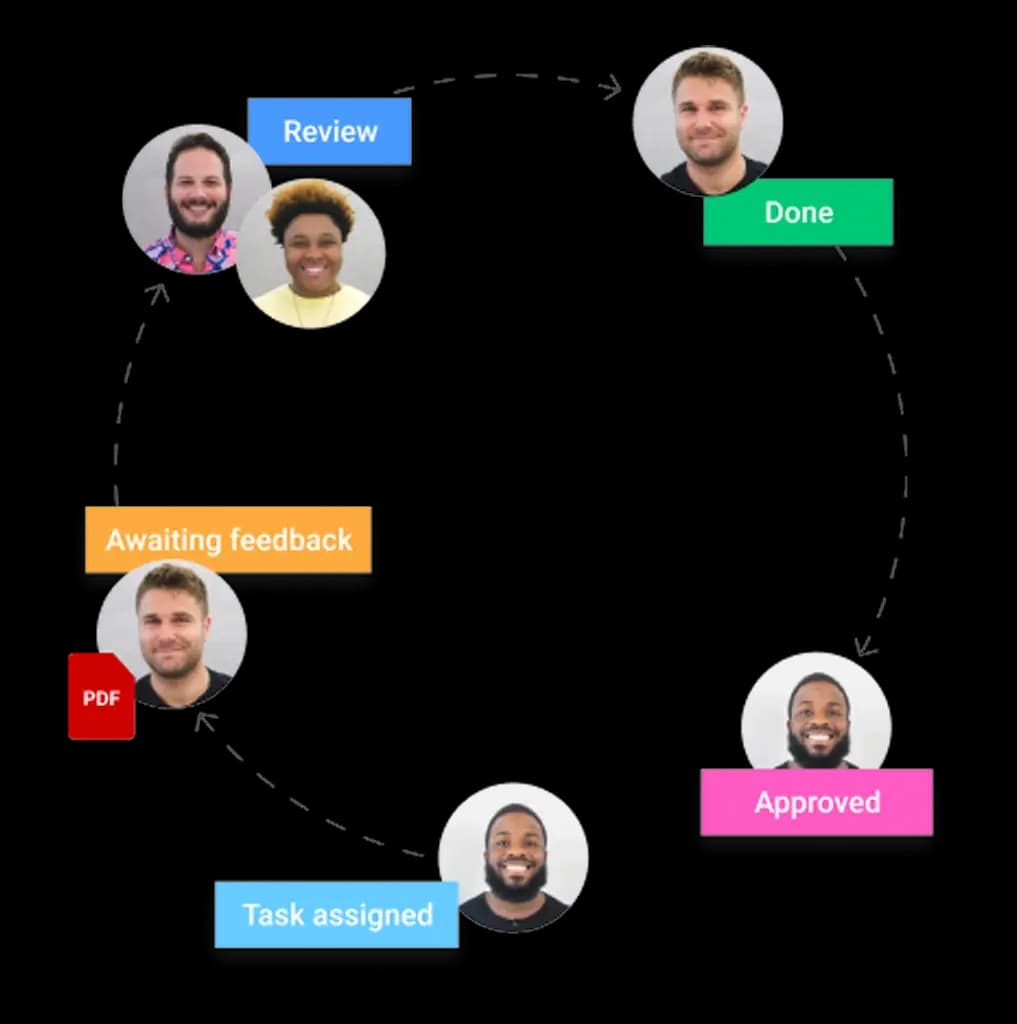
As a certified partner of monday.com, SMC Consulting supports you for all your project management, task management and operations management needs.
A well-designed project charter is not just a management tool; it’s the guiding thread that connects objectives, teams, and results. By dedicating time to writing it, you lay the foundation for smooth execution and lasting success.
Need help structuring or optimizing your project management processes? At SMC Consulting , we are experts in digital transformation and project management . Contact us to discover how we can support your projects.
Create your project charter today and take control of your success!
At SMC Consulting, we understand that every business is unique. That’s why we offer customized solutions that perfectly adapt to your specific needs.
Contact us today for a free needs analysis and start your journey to operational excellence.
Book a free consultation with an SMC Consulting expert.
Book Your Free ConsultationDiscover how Green ITAM helps measure your IT asset carbon footprint, improve CSRD IT readiness, connect asset data, and support credible sustainability reporting.
Read more
Human in the loop ITSM lets AI handle routine service desk work while people approve high-risk actions, monitor governance, and manage escalation rules.
Read more
Build a ServiceNow ITSM strategy and roadmap for governance, automation and reporting — with SMC Consulting's certified ITSM engineers.
Read more